
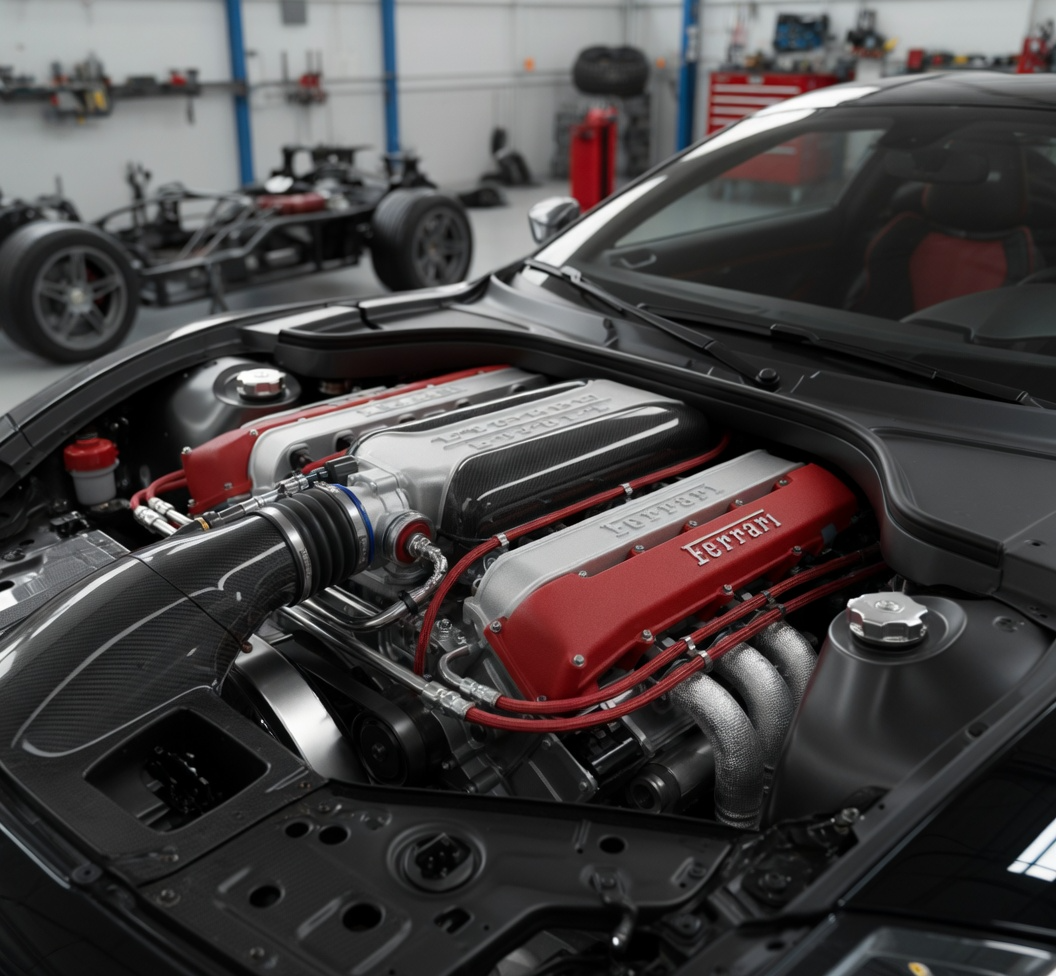
For years, it felt like the internal combustion engine (ICE) was on its way out. The narrative was simple: electric cars would take over, and combustion engines would slowly disappear.
That hasn’t really happened.
In 2026, combustion engines are still very much part of the market. Not just surviving, but evolving. Instead of being replaced outright, they’ve adapted to new expectations around efficiency and emissions. Two developments made that possible: hybrids and synthetic fuels.
The EV Shift Slowed Down
Electric vehicles had strong momentum a few years ago, but the pace has cooled in many regions.
There are a few clear reasons. EVs still carry a higher upfront cost compared to traditional cars. Charging infrastructure, while improving, is not consistent everywhere.
For many drivers, especially outside major cities, convenience still matters. Range anxiety hasn’t fully disappeared either. On top of that, several governments have started reducing incentives, which has affected demand.
Because of this, many buyers are no longer rushing toward full electric. Instead, they are looking for something that fits better into everyday use.
Hybrids Became the Middle Ground
This is where hybrids stepped in.
A hybrid keeps the familiar combustion engine but adds an electric motor and battery. The system works in the background, improving efficiency without changing how the car is used. You still refuel at a petrol station. You still drive the same way. But the car uses less fuel and produces fewer emissions.
For many people, this feels like a natural upgrade rather than a complete shift.
Manufacturers across the industry have leaned into this approach. What started with brands like Toyota and Honda has now spread widely. Even performance-focused companies such as Ferrari and Porsche have adopted hybrid systems, not just to meet regulations but to improve performance.
Hybrids didn’t replace combustion engines. They made them more efficient, smoother, and more practical for modern use.
Synthetic Fuels Change the Bigger Picture
While hybrids help with new cars, they don’t solve the bigger issue: the millions of combustion vehicles already on the road.
That’s where synthetic fuels, often called e-fuels, come in.
These fuels are produced using renewable energy along with water and captured carbon dioxide. The result is a liquid fuel that works like petrol or diesel but has a much lower overall carbon footprint.
What makes this important is compatibility. These fuels can be used in existing engines without modification. They can also be distributed through the same infrastructure already in place.
This changes the conversation completely. Instead of replacing every car on the road, it becomes possible to reduce emissions using the vehicles people already own.
Companies like Porsche are already investing in production facilities, while Ferrari has made it clear it wants to keep its combustion engines alive using cleaner fuels.
If production scales, synthetic fuels could extend the life of combustion engines far beyond what many expected.
Engines Themselves Have Improved
It’s also worth noting that combustion engines themselves are not the same as they were a decade ago.
Modern engines are far more efficient. Advances in engineering, better materials, and smarter software have improved fuel usage and reduced emissions. Technologies like turbocharging and optimized combustion cycles have pushed performance forward without increasing consumption in the same way.
When combined with hybrid systems or cleaner fuels, today’s engines are much more refined than older versions.
Why People Still Choose ICE and Hybrids
For many drivers, the decision still comes down to practicality.
Combustion and hybrid vehicles are usually more affordable upfront. Refueling takes minutes instead of hours. Long-distance travel is straightforward, with no need to plan around charging stops. Service networks are well established, and spare parts are widely available.
They also perform more reliably in certain conditions. Cold weather, heavy loads, and long-haul driving are still areas where combustion engines have an advantage.
Beyond passenger cars, there are entire industries where electric solutions are not yet practical. Heavy trucks, aviation, shipping, and agriculture all depend on the energy density and convenience of liquid fuels.
So What’s Actually Happening
The shift in transportation is no longer about one technology replacing another.
Instead, the market is settling into a mix.
Electric vehicles will continue to grow, especially in urban environments. Hybrids will remain a strong option for people who want efficiency without changing their habits. Combustion engines will stay relevant, supported by better technology and cleaner fuels.
Each solution fits a different need.
The Bottom Line
The combustion engine didn’t disappear. It adapted.
Hybrids made it more efficient without changing how people drive. Synthetic fuels offer a way to reduce emissions without replacing existing vehicles. At the same time, engineering improvements have made modern engines cleaner and more refined.
In 2026, the story isn’t about the end of combustion engines. It’s about how they’ve changed to fit a new reality.
They are no longer the only solution, but they are still a big part of the picture.