The manual transmission is nearly gone — but the people keeping it alive.
<3%
New US cars sold with a manual in 2025
35%
Share of new cars with manuals just 15 years ago
~2030
When many automakers plan to phase out manuals entirely
THE NUMBERS DON’T LIE
Walk into any dealership today and ask for a manual transmission. Chances are, they’ll look at you like you asked for a cassette player. Fewer than three percent of new vehicles sold in the United States come with a stick shift. In the 2000s, that number was closer to one in three. The decline has been so steady — so quiet that most people haven’t noticed it happening — until now, when the edge of something is visible.
This isn’t just a number story. It’s a story about what gets lost when convenience wins.
THE AUTOMATIC TOOK OVER
The rise of the automatic transmission was inevitable — and in fairness, the reasons are legitimate. Modern automatics shift faster, return better fuel economy, and reduce driver fatigue in heavy traffic. Dual-clutch gearboxes, once found only in supercars, are now in everyday family sedans. For urban driving — stop-start traffic, steep inclines, distracted environments — the case for automation is objectively strong.
Add electric vehicles to the picture and the argument collapses further. EVs have no need for a gearbox at all. One speed, instant torque — you press the accelerator, and the car moves. As electrification accelerates, the manual doesn’t just fade — it becomes structurally incompatible with where the industry is heading.
There’s a reason driving instructors still say the best way to understand a car is to learn it in a manual. Something transfers. Something sticks.
WHAT ACTUALLY DISAPPEARS WITH IT
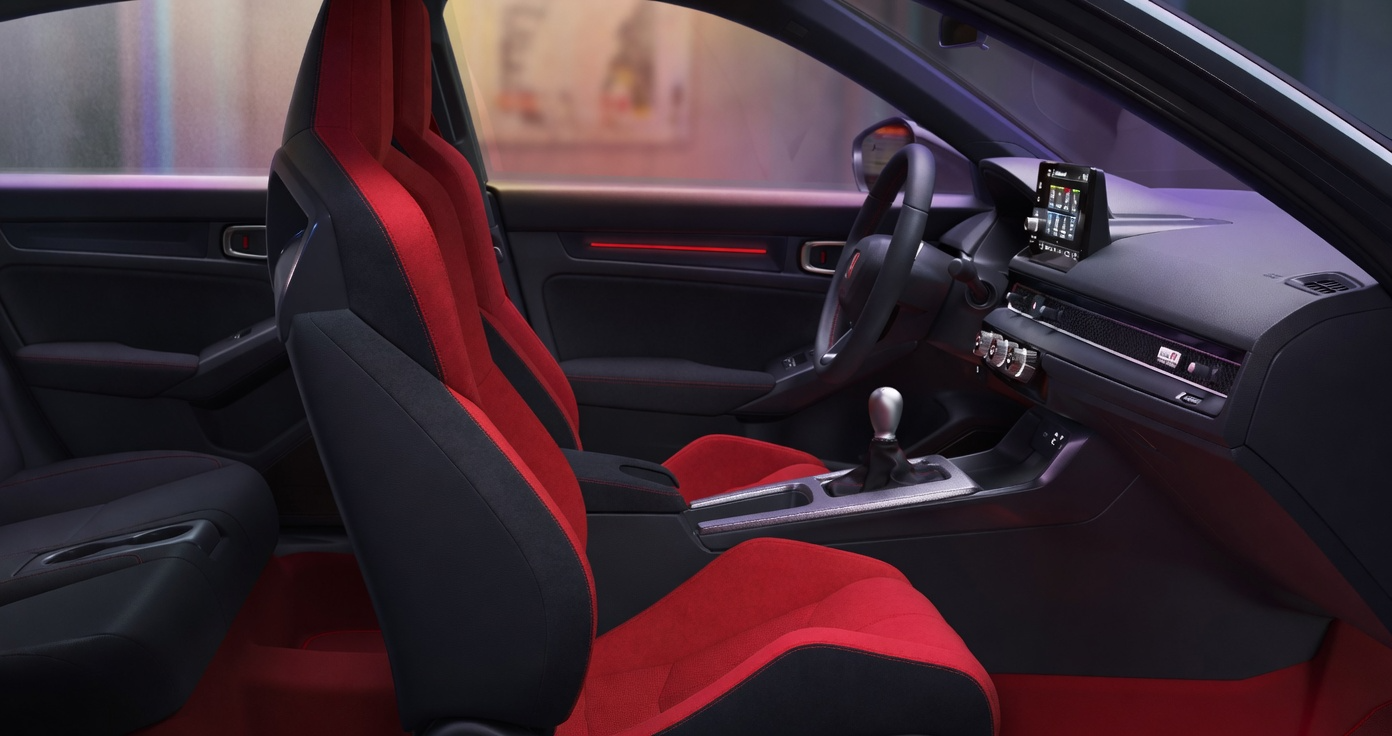
Driving a manual is one of the few tasks that still demands full physical and mental engagement simultaneously. Left foot on the clutch, right foot managing throttle and brake, left hand on the wheel, right hand on the gear lever — all of it in sync, all of it responsive to sound and feel rather than instruction. The car doesn’t just take you somewhere. It reacts to you in a way that becomes intuitive over time.
When that goes, something shifts in the relationship between driver and vehicle. Cars become appliances — extraordinarily capable appliances, but appliances nonetheless. You point them rather than drive them. There’s a difference, and anyone who’s experienced both knows it.
THE MARKET THAT REMAINS
| Segment | Manual availability | Trend |
| Sports & performance cars | Still offered on most key models | Holding |
| Entry-level economy | Near-extinct in developed markets | Fading |
| Track & enthusiast | Actively demanded, limited supply | Growing |
| Developing markets | Still dominant in many regions | Stable |
The people keeping the manual alive are not interchangeable or people who want difficulty for the sake of it. They’re enthusiasts who actively choose it. Porsche still offers a manual 911. Mazda still builds the MX-5. Ford still fits the Mustang with a six-speed. These aren’t legacy holdovers — they’re deliberate decisions driven by customers who pay a premium for something less convenient.
THE COMMUNITY HOLDING THE LINE
Online forums dedicated to manual driving have grown in recent years, which is counterintuitive given the market decline — but it makes sense. As the option becomes rarer, the people who value it organize around it. Driving schools focused on stick shift have seen renewed interest. Young people, who never learned to drive one, are signing up because they recognize something is disappearing.
There’s something in the act of mastering it — the failed engine stalls, the hill starts, the satisfying click of a perfect rev-matched downshift — that appeals to people who want more from the machine.
You can get from A to B faster and easier in a modern automatic. But sometimes the point isn’t efficiency. Sometimes the point is the drive itself.
WHAT THE LOSS ACTUALLY MEANS
Nothing here is an argument for forcing something around. Technology should improve, and if automation genuinely serves more people better, the market should reflect that — and it does. But there’s a difference between technology being objectively better and what people actually value.
The manual transmission taught people to respect what was under the hood. It created a generation of drivers who understood mechanical nuance not from a manual but from feel. It made driving an act of participation rather than observation. That’s not nothing. And once it’s gone, it doesn’t come back — unless, like vinyl, people decide it’s worth preserving anyway.
The manual isn’t dying. Not because it stopped working. Because we stopped needing it.