
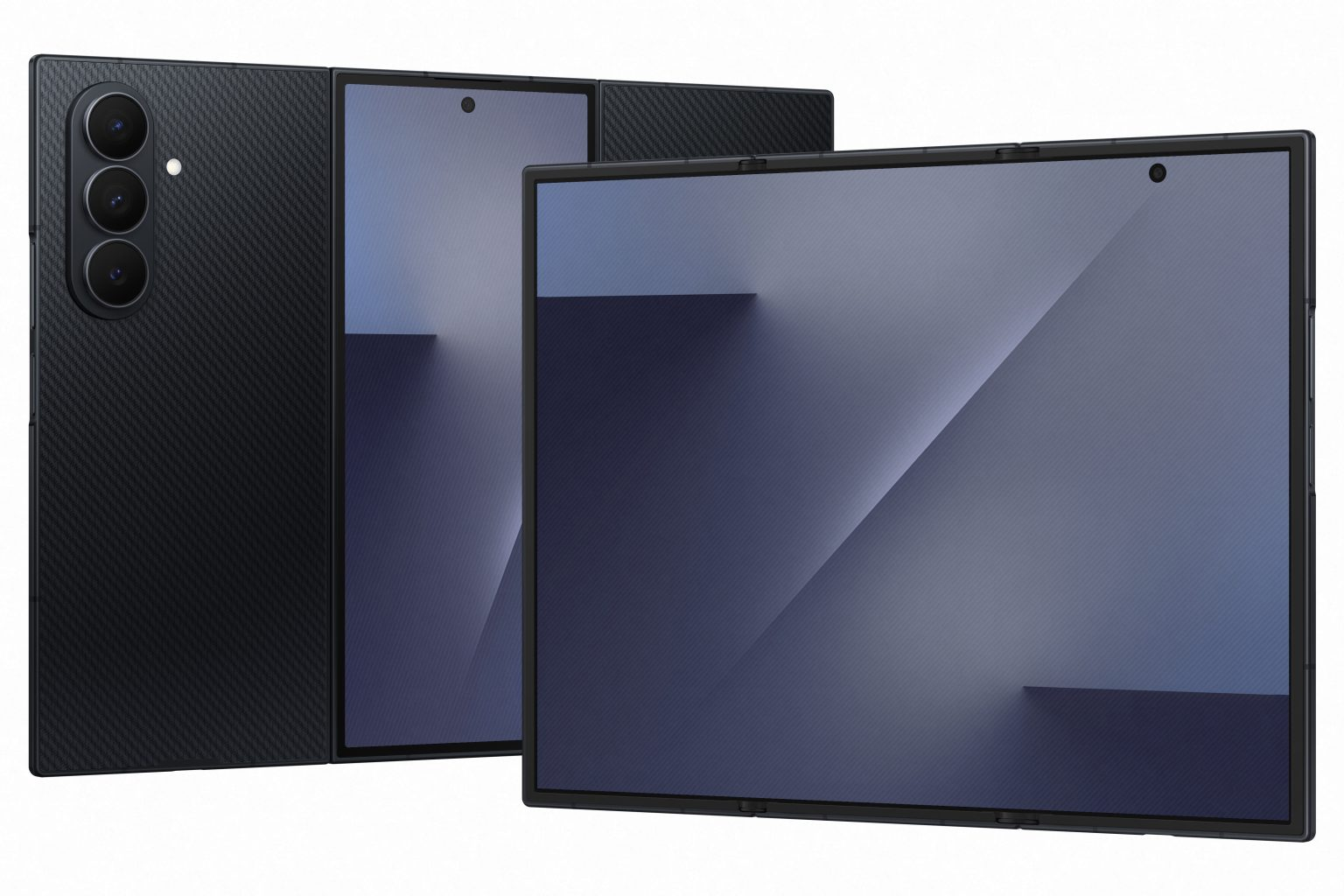
Las Vegas, January 2026 — At CES 2026, Samsung Display stole the spotlight with a major breakthrough in flexible screen technology: a nearly crease-less foldable OLED panel that could finally solve one of the biggest remaining complaints about foldable smartphones.
The new display, shown alongside Samsung Electronics’ Galaxy Z TriFold concept, generated considerable excitement on the show floor and earned high praise from technology reviewers and analysts alike. Many described it as one of the most meaningful advancements in foldable technology in recent years, potentially paving the way for wider consumer acceptance of these devices later this decade.
Solving the Crease Problem
For years, the most noticeable drawback of foldable phones has been the visible crease along the folding line. Even on premium models, the fold often created a slight shadow or texture that reminded users they were holding a bending screen rather than a solid piece of glass.
Samsung’s latest prototype, internally referred to as Mont Flex with LEAD technology, appears to have made a significant leap forward. The company uses a combination of laser-drilled metal support plates and a specially redesigned optical clear adhesive layer. This clever engineering helps distribute the stress of folding more evenly across the entire panel.
In hands-on demonstrations, the crease was virtually invisible — even when viewed from different angles or under bright lighting. Text, images, and videos flowed smoothly across the fold line, giving the impression of a seamless, flat display. Reviewers noted that the screen finally feels closer to a traditional smartphone or tablet experience.
Samsung also emphasized the panel’s durability. The company demonstrated rigorous testing with automated robotic systems that repeatedly folded and unfolded the screen, along with impact resistance tests. According to Samsung Display representatives, the technology is now production-ready and could appear in a commercial device as early as the Galaxy Z Fold 8, expected to launch in mid-2026.
Industry rumors suggest Apple has been closely watching these developments. Reports indicate that a foldable iPhone has been delayed specifically until a truly crease-free solution becomes reliable enough for Apple’s high standards.
The Galaxy Z TriFold: Expanding the Foldable Experience
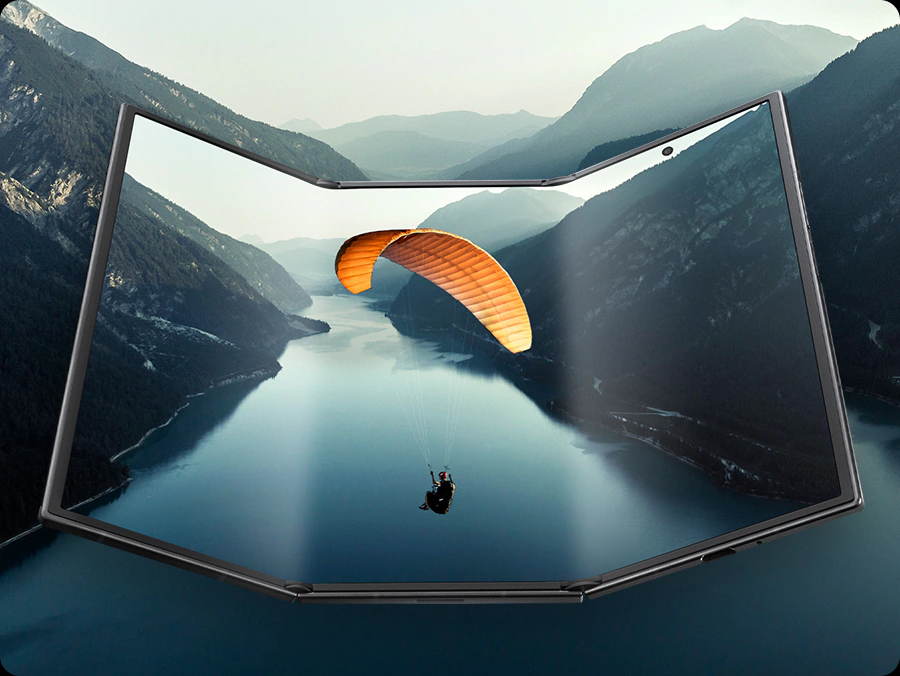
Samsung Electronics also brought its Galaxy Z TriFold to CES 2026. This innovative tri-fold device, which first launched in South Korea in late 2025, is expected to reach additional markets — including the United States — in early 2026.
When fully unfolded, the TriFold transforms into an impressive approximately 10-inch Dynamic AMOLED 2X display. It uses three folding segments, allowing the phone to function as both a compact smartphone and a larger tablet-like device. While two subtle fold lines are still present, reviewers described them as far less noticeable than those on earlier foldable models.
The TriFold is clearly designed with productivity in mind. Samsung highlighted its ability to run three apps simultaneously in split-screen mode, making it useful for multitasking, note-taking, or watching content while working.
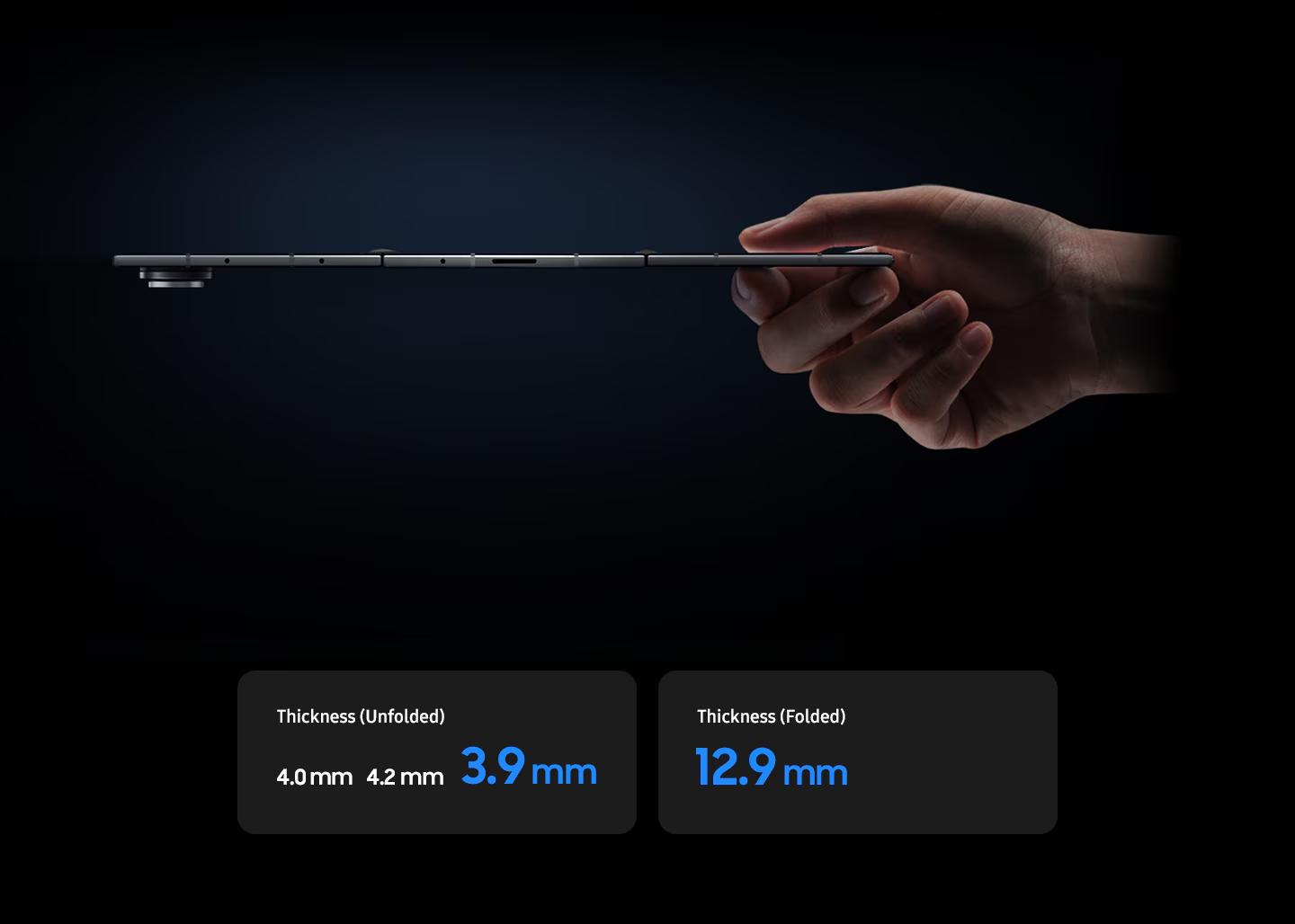
Other key specifications include a very thin unfolded profile of about 4mm, a large 5,400mAh battery, IP48 water and dust resistance, and a powerful 200-megapixel main camera system.
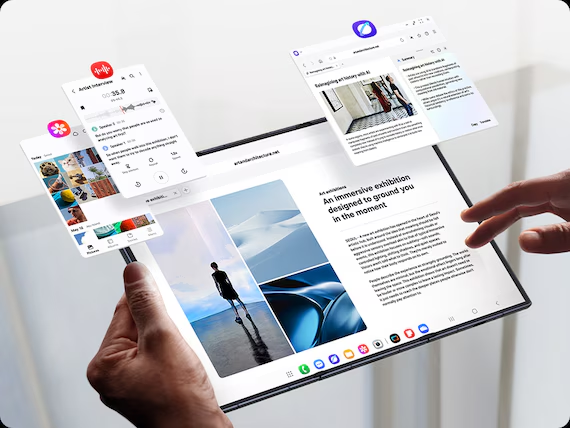
Early hands-on impressions called the device “bulky but surprisingly capable,” praising improvements in software optimization and overall build quality compared to previous experimental foldables.
What This Means for the Future of Foldables
Samsung’s announcements at CES 2026 represent an important shift in the foldable market — moving away from experimental gadgets toward more mature, everyday-usable products. For a long time, the visible crease has been a major barrier to mainstream adoption, especially at premium price points.
By making meaningful progress on crease reduction and demonstrating a practical tri-fold form factor, Samsung is showing that foldables are getting closer to feeling like natural upgrades rather than novelty devices.
With improving manufacturing yields and increasing competition expected from Apple and Chinese manufacturers, these developments could help accelerate the growth of the entire foldable category in the coming years.
Final Thoughts
CES 2026 made one thing abundantly clear: Samsung continues to lead the flexible display race. While challenges around durability, cost, and software optimization remain, the crease-less OLED prototype and the Galaxy Z TriFold suggest that foldable phones are steadily moving from “cool concept” to “must-have device” territory.
If Samsung can successfully bring these technologies to market at scale, 2026 and 2027 could mark the beginning of a new chapter where foldable smartphones finally feel ready for the mainstream.