
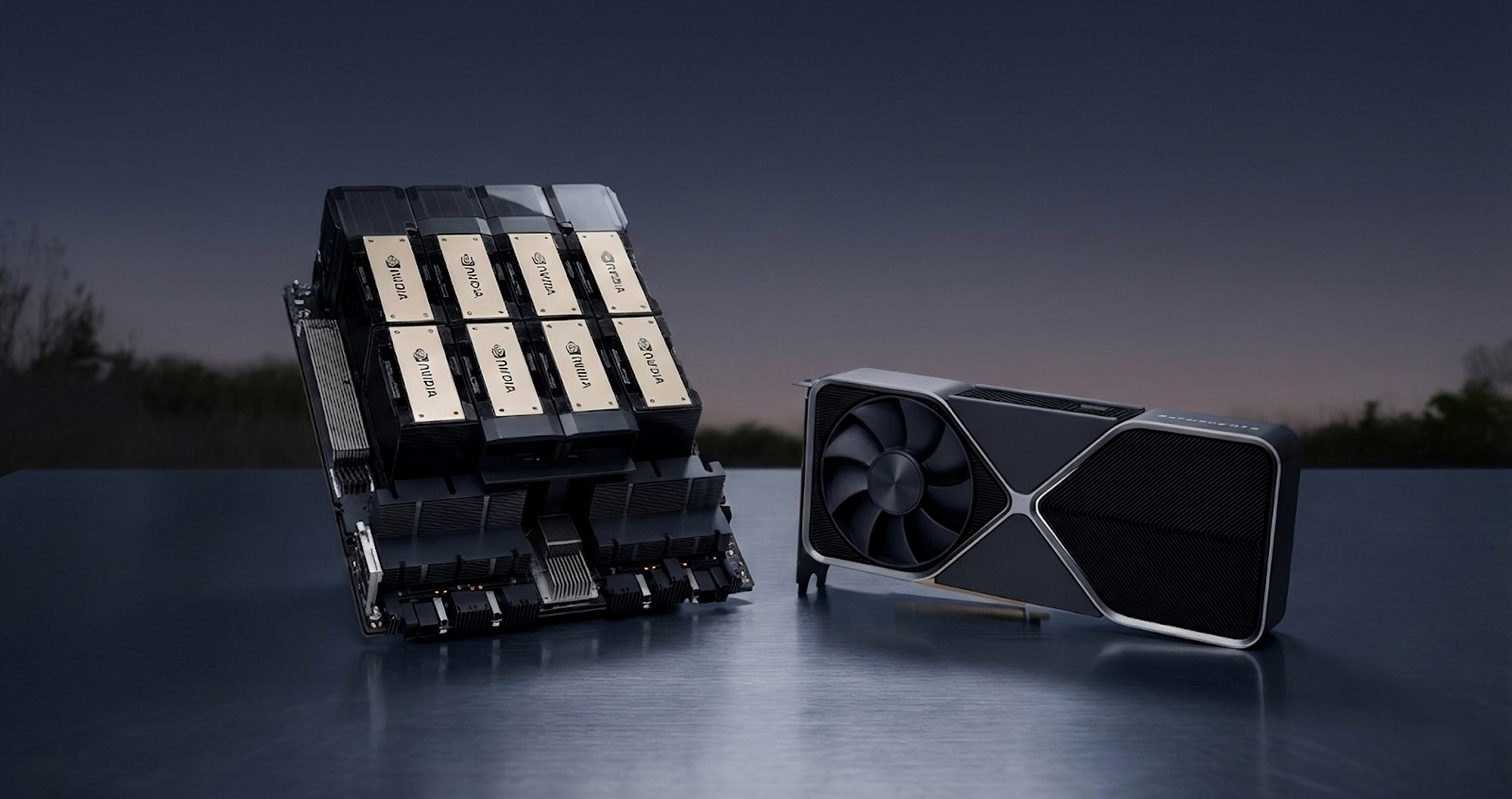
You see a shiny new graphics card like the NVIDIA RTX 5090 and immediately think:
“This thing is super powerful — it must be perfect for running all kinds of AI stuff too!”
And you’re not wrong… but you’re also not completely right.
Gaming GPUs and AI GPUs (often called datacenter GPUs) may look almost identical from the outside — same big cooling fans, same sleek black design, same brand logos — but inside they are engineered for totally different purposes.
Think of it like vehicles:
A gaming GPU is like a fast sports car — incredible acceleration, beautiful styling, and perfect for quick, exciting drives on the weekend.
An AI GPU is like a heavy-duty freight truck — built to carry enormous loads, run nonstop for days, and handle the toughest long-haul jobs without breaking a sweat.
Both are powerful machines, but using the wrong one for the job is like trying to move an entire house full of furniture with a Ferrari. It might work for a short distance, but it’s not the right tool and it will struggle badly.
What Each One Is Actually Made For
Gaming GPUs
(Examples: NVIDIA RTX 5090, RTX 4090, AMD Radeon RX 8000 series)
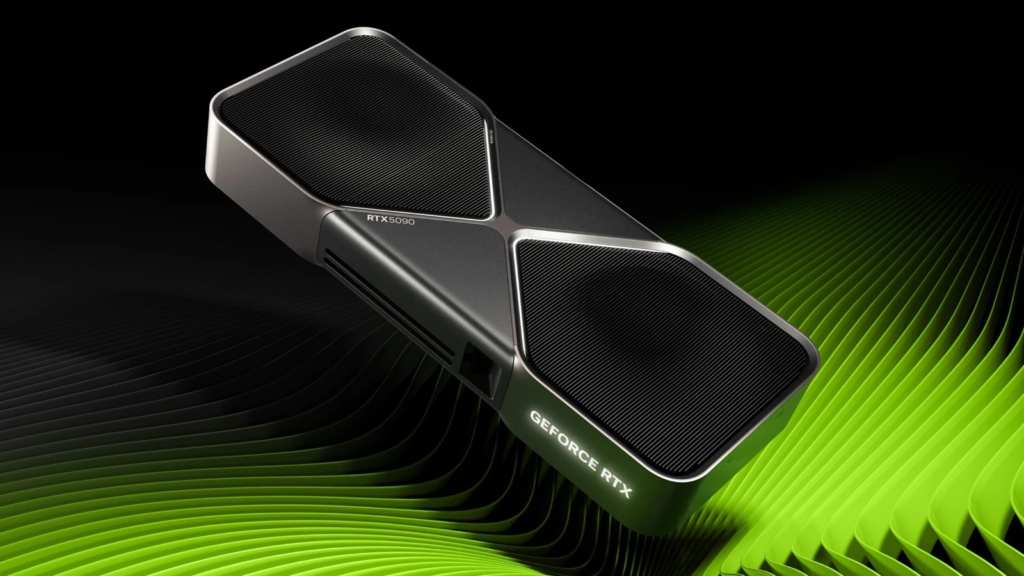
These cards were created with one main goal: making your games look absolutely stunning. Their job is to draw millions of pixels on your screen every single second, create realistic lighting and shadows using advanced ray tracing, and deliver smooth, high frame rates even at 4K or 8K resolution.
They are specially optimized for:
- Visual beauty and instant responsiveness
- Short, intense bursts of power during gaming sessions
- Looking cool and fitting nicely inside a normal home PC case
That’s why millions of gamers love them — they deliver jaw-dropping graphics right now with zero waiting.
AI / Datacenter GPUs
(Examples: NVIDIA H200, H100, Blackwell series, AMD MI300X)
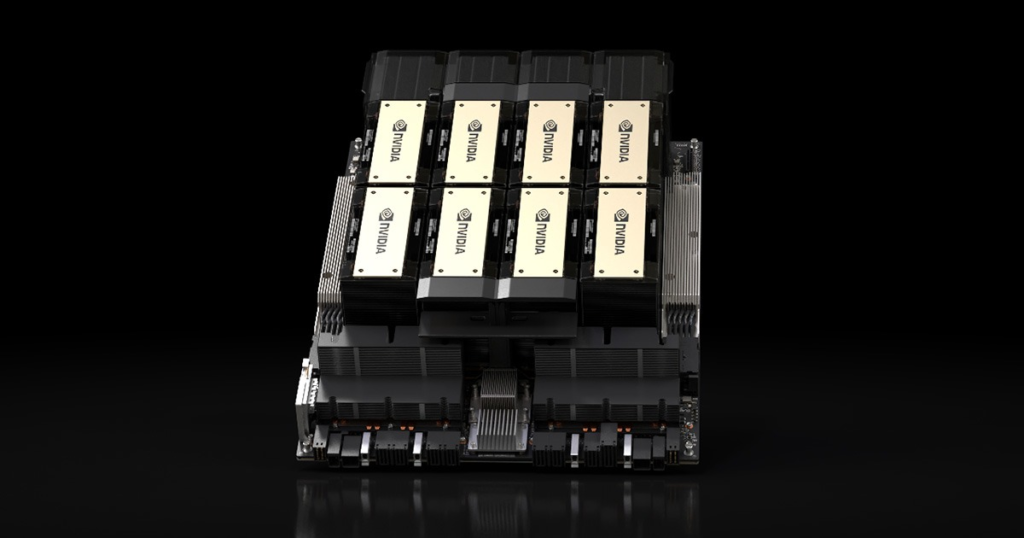
These cards are built for heavy brain work. Their real purpose is to perform billions of complex math calculations simultaneously, process enormous amounts of data, and train or run huge artificial intelligence models that learn from millions or even billions of examples.
They are optimized for:
- Raw computing power and massive memory capacity
- Running continuously 24 hours a day, 7 days a week
- Handling gigantic datasets that can be hundreds of gigabytes or even terabytes in size
This is exactly the kind of power needed to create and run advanced AI systems like ChatGPT, image generators, or scientific research models.
The Big Differences Explained Simply
Here’s a clear side-by-side comparison that shows why they feel so different in real use:
| Feature | Gaming GPU (e.g. RTX 5090) | AI / Datacenter GPU (e.g. H200) | Why It Matters |
|---|---|---|---|
| Memory (VRAM) | 24–48 GB | 141–192 GB or more | AI models are enormous and need huge space to load everything at once |
| Memory Speed | Around 1–2 TB per second | 4–6 TB per second or higher | Faster memory means much quicker training and results |
| AI-Specific Hardware | Good but limited | Extremely powerful dedicated AI cores | AI math runs dramatically faster and more efficiently |
| Scaling with Multiple Cards | Easy up to 2–4 cards | Designed for 8+ cards with ultra-fast links | Big AI projects need dozens or thousands of cards working together perfectly |
| Power Consumption | 400–600 watts | 700 watts and up | AI GPUs need special datacenter cooling and massive electricity |
| Price per Card | $1,500 – $3,000 | $15,000 – $40,000+ | Datacenter-level power comes at a serious cost |
| Best For | Games + light AI experiments | Training giant AI models | Different tools for completely different jobs |
When a Gaming GPU Is More Than Enough
For most people, a high-end gaming card like the RTX 5090 is actually the perfect choice. You can comfortably use it for:
- Running small AI chatbots directly on your own computer
- Generating beautiful images, short videos, or music with popular tools
- Experimenting with AI for school projects, creative work, or personal hobbies
- Editing photos, creating digital art, or making social media content
- Learning how AI works without spending thousands of dollars
These cards are affordable, fit easily in a regular desktop PC, use normal household electricity, and are getting better at AI tasks every year. Many students, content creators, indie developers, and hobbyists are happily using RTX 50-series cards for exactly this kind of everyday AI work.
When You Really Need a True AI GPU
You step into datacenter territory only when your work becomes very large and demanding. You’ll need real AI GPUs if you are:
- Training brand-new giant language models or vision models from scratch
- Running AI services for thousands of users at the same time
- Working with massive datasets that simply won’t fit in a gaming card’s memory
- Running AI systems nonstop for a company, research lab, or business
- Connecting many GPUs together to solve one enormous problem
This is why big companies like OpenAI, Google, Meta, Microsoft, and xAI build huge data centers filled with thousands (sometimes tens of thousands) of H200 or Blackwell GPUs. Only these specialized cards have the nonstop power and massive memory needed for the heaviest AI jobs.
The Future Is Getting Interesting
The line between gaming and AI GPUs is slowly getting thinner. New gaming cards now include better AI-specific features, faster memory, and improved software support. Some companies are even creating special “prosumer” AI cards that sit right in the middle — powerful enough for serious work but still affordable for individuals.
Still, for the biggest and most demanding AI projects, datacenter GPUs remain far ahead. They are simply built on a different scale.
Bottom Line
Both gaming GPUs and AI GPUs are incredibly powerful — they just have different superpowers.
Want to play stunning games and do fun AI experiments at home on a normal budget?
A gaming GPU (like the RTX 5090) is the smart, affordable, and perfect choice for most people.
Want to build or run the next big AI breakthrough at massive scale?
You need real datacenter / AI GPUs. They’re expensive and power-hungry, but they’re the only tools strong enough for the toughest jobs.
So next time you see a shiny new RTX card, remember: it’s an amazing sports car — great for speed, beauty, and everyday fun. But when you need to move mountains of data, only the heavy-duty truck will do the job properly.
Choose the right tool for the job, and you’ll always get the best results.