
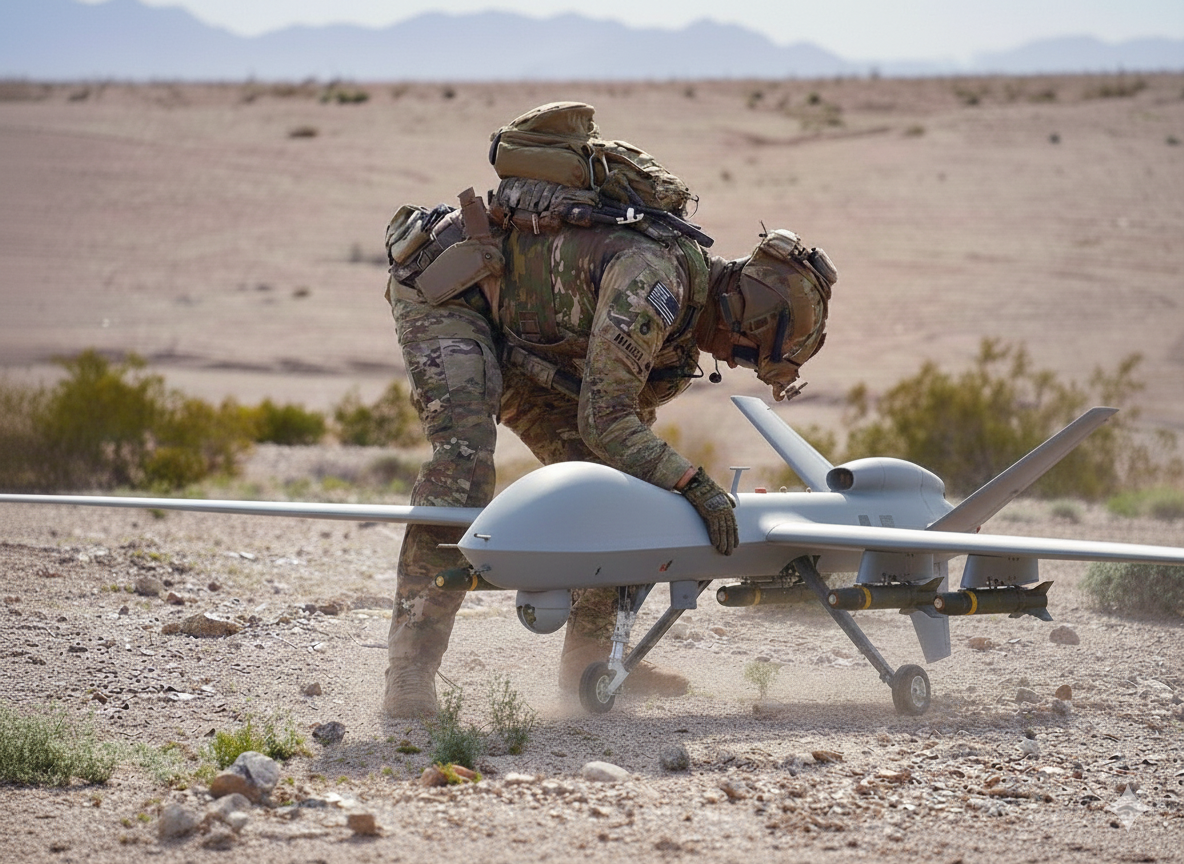
Military technology is advancing faster than ever. Weapons that once existed only in movies and video games — high-energy lasers, hypersonic missiles, intelligent drone swarms, and AI-controlled systems — are now being tested and deployed by armed forces around the world.
In 2025, these breakthroughs are fundamentally changing how conflicts are planned and fought. Battles are becoming faster, more precise, and in many cases more lethal. At the same time, they raise serious questions about ethics, civilian safety, and the future of warfare.
This article provides a clear, balanced overview of the four most important advanced military technologies currently in use or rapid development.
1. Directed-Energy Weapons
Lasers and High-Power Microwaves
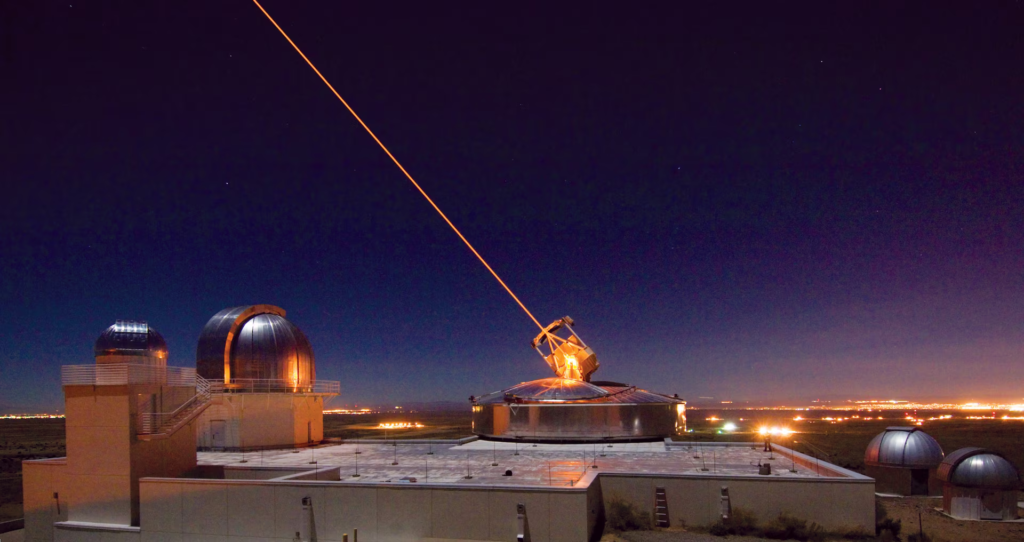
Directed-energy weapons fire concentrated beams of energy rather than traditional bullets or explosive shells. They can disable or destroy targets almost instantly using light or electromagnetic waves.
How They Work
High-power lasers focus intense heat on a target, causing drones, missiles, or small boats to overheat and fail. High-power microwaves disrupt or destroy electronic circuits inside enemy systems without causing a physical explosion. Both types travel at the speed of light, making them extremely difficult to dodge.
Real-World Progress in 2025
Israel officially activated its Iron Beam laser defense system, successfully intercepting rockets and drones at a fraction of the cost of traditional missiles. The United States Navy conducted extensive ship-based laser tests in the Red Sea and Pacific, proving their ability to counter drone swarms. Several other nations, including China and the United Kingdom, have also accelerated their own directed-energy programs.
Why It Matters
Near-zero cost per shot. Near-instant impact. Near-limitless ammunition.
Each laser shot costs only a few dollars in electricity, compared to millions for a single missile. They offer nearly unlimited “ammunition” as long as power is available. However, powerful versions can cause severe burns, permanent blindness, or death. This has sparked international concern about their use against civilian populations or in urban areas.
2. Hypersonic Weapons
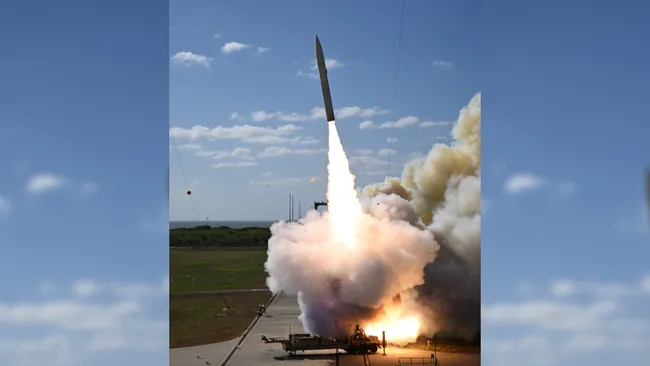
Hypersonic weapons travel at more than five times the speed of sound (Mach 5+) while also maneuvering at extreme altitudes. They are among the fastest and most difficult-to-defend weapons ever created.
How They Work
Most are launched by a rocket booster, then glide or cruise through the upper atmosphere at hypersonic speeds. Their ability to change direction mid-flight makes traditional missile defenses almost useless.
Real-World Progress in 2025
The United States, China, and Russia all reported successful tests and limited deployments of hypersonic systems. These weapons can strike targets thousands of kilometers away in under 15 minutes, dramatically reducing reaction time for defenders.
Why It Matters
Speed compresses decision-making — and increases the risk of mistakes.
Shorter warning times increase the risk of accidental escalation because leaders have only minutes to decide whether an incoming threat is real. This technology is pushing major powers to develop new early-warning systems and defensive strategies, raising global tension.
3. Autonomous Drone Swarms
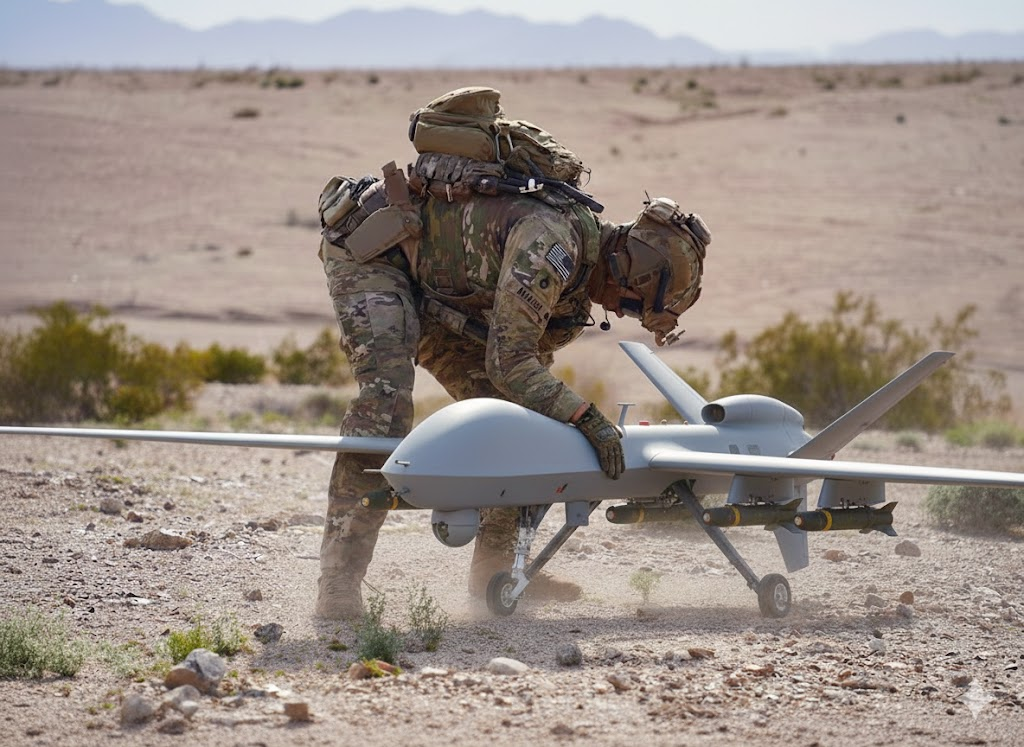
A drone swarm consists of dozens or hundreds of small unmanned aircraft that work together, coordinated by artificial intelligence.
How They Work
Each drone shares real-time data with the others, allowing the group to adapt instantly, overwhelm defenses, and attack multiple targets at once. AI software acts like a “brain” for the entire swarm, making decisions faster than any human operator could.
Real-World Progress in 2025
The United States launched the Replicator program, aiming to field thousands of low-cost autonomous drones within the next few years. In ongoing conflicts, including Ukraine, swarms have already proven devastating against tanks, air defenses, and supply lines.
Why It Matters
Cheap individually. Devastating collectively.
Individual drones are inexpensive — sometimes costing less than a car — yet a coordinated swarm can defeat systems that once required expensive missiles. The downside is significant: UN reports from 2025 documented hundreds of civilian deaths and injuries caused by short-range drone attacks in Ukraine and Sudan, with homes, hospitals, schools, and marketplaces frequently hit.
4. AI-Powered Autonomous Weapons
These systems use artificial intelligence to detect targets, make decisions, and engage without constant human control.
How They Work
AI analyzes sensor data (cameras, radar, infrared), predicts enemy movements, selects targets, and fires — all in seconds. Some systems still require human approval, while others operate with increasing independence.
Real-World Progress in 2025
Several countries tested AI-controlled drones and ground robots (including robot “dogs”) in real operations. International discussions about limits on fully autonomous “killer robots” intensified at the United Nations, but development continued.
Why It Matters
Faster than humans — but not always wiser.
AI can react faster than any human soldier and reduces risk to friendly troops. However, serious risks remain: AI can misidentify civilians as targets, and it is often unclear who is legally responsible when something goes wrong. Experts worry that removing human judgment could lead to faster escalation and more unintended deaths.
The Human Impact and Ethical Challenges
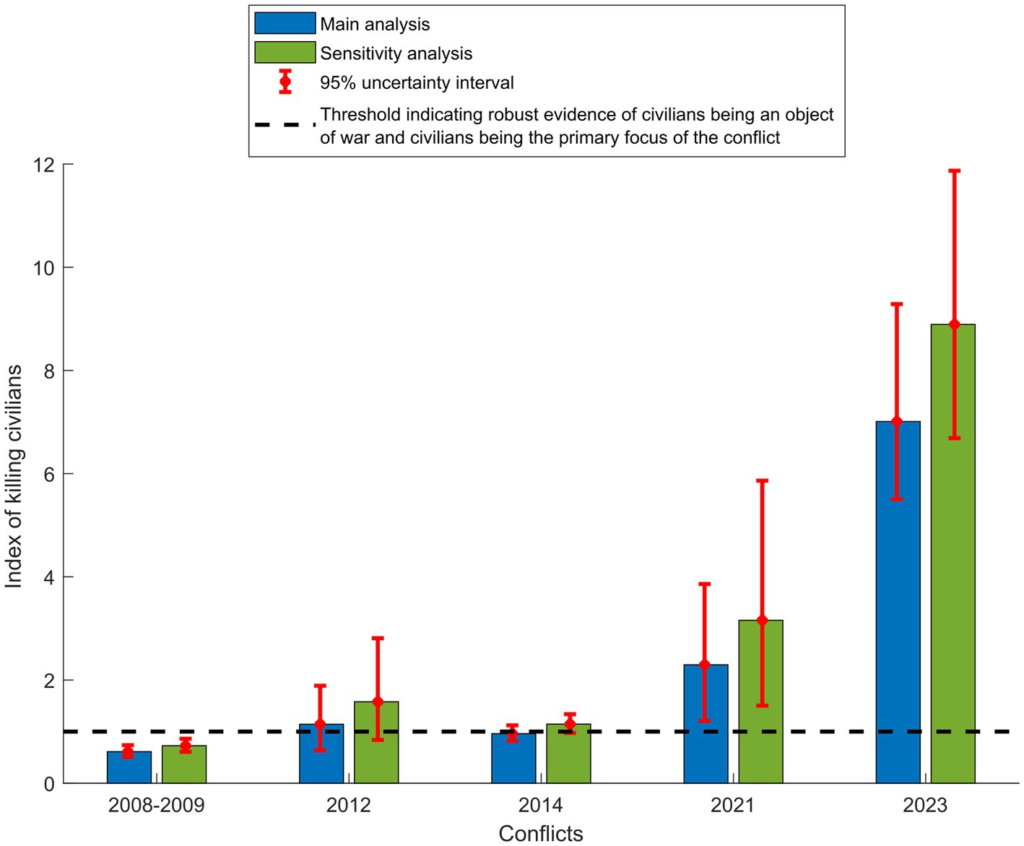
These new technologies promise greater precision and fewer casualties among soldiers. They reduce the need for large-scale bombings and can protect military personnel. Yet the 2025 reality shows a troubling pattern: civilians continue to bear the heaviest burden.
Drone and missile strikes in active conflict zones caused record civilian casualties. AI errors, limited oversight, and the speed of autonomous systems sometimes amplified tragic mistakes. When weapons become cheaper, faster, and easier to use, conflicts can start more easily — shifting the danger away from soldiers and onto ordinary people.
The Core Ethical Questions
- Who is accountable when an AI system kills civilians?
- Can machines ever be trusted with life-and-death decisions?
- Should fully autonomous lethal weapons be banned internationally?
Many governments, human-rights organizations, and experts are calling for stronger rules and possible bans on certain systems. At the same time, military development continues because nations fear falling behind their rivals.
Final Perspective
Technology shapes warfare — but people decide its consequences.
The weapons of 2025 represent a genuine transformation in warfare. They offer new levels of speed, precision, and protection for those who possess them. Yet every technological advance also creates new risks and moral dilemmas.
Technology alone does not decide whether wars become more humane or more destructive — that depends on the decisions made by leaders, the strength of international law, and the values of the societies that build these systems.
The question remains:
Are we building tools that will make the world safer, or simply creating faster and more efficient ways to cause harm?