

If you are shopping for a new gaming laptop in March 2026, you have almost certainly noticed a sharp rise in prices.
Models that were comfortably available for around $1,200–$1,400 in late 2025 are now commonly listed between $1,500 and $1,800 — a 15–30% increase in just a few months. Even entry-level RTX 4070 machines that felt like good value last year now carry premium pricing that surprises many buyers.
A 15–30% price jump in just a few months is not normal — and it is not driven by gamers.
The root cause is not a sudden jump in demand for gaming laptops themselves. Instead, the surge stems from a global shortage of two critical components: DRAM (the RAM that powers your system) and NAND flash (the memory chips used in SSD storage).
This shortage has been triggered by the explosive growth of AI data centers, which are consuming massive quantities of high-bandwidth memory (HBM). Manufacturers have redirected production lines to meet AI needs, leaving far less capacity for the standard DDR5 RAM and SSD storage that gaming laptops rely on.
Why AI Demand Is Driving Consumer Prices Higher
Artificial intelligence training and inference require enormous amounts of specialized memory. High-Bandwidth Memory (HBM) stacks multiple DRAM dies vertically to deliver the speed and capacity needed for large language models and complex neural networks.
Major suppliers — Samsung, SK Hynix, and Micron — have shifted the majority of their advanced production capacity toward HBM for companies like NVIDIA, Google, Microsoft, and OpenAI.
AI is absorbing the world’s fastest memory — and leaving consumer devices behind.
As a direct result, the supply of everyday DDR5 RAM and NAND flash has tightened dramatically. Spot-market prices for these components rose 100–200% between October 2025 and February 2026. Laptop manufacturers have no choice but to absorb these higher costs or pass them on to customers. Many have chosen the latter.
How Brands Are Responding
Several major brands have already announced or quietly implemented price adjustments:
- ASUS began selective increases on ROG and TUF series models starting January 5, 2026
- Dell raised prices across Alienware and XPS gaming lines by 20–30% from mid-December 2025
- Lenovo updated its Legion series quoting system effective January 1, 2026
- HP and Acer are expected to follow with similar adjustments in the coming weeks
Higher prices — or lower specs. Those are the only two options brands have right now.
To avoid pushing prices even higher, some 2026 models are launching with reduced base specifications. You may see new laptops shipping with only 8 GB of RAM instead of the previous 16 GB minimum, or smaller 512 GB SSDs instead of 1 TB drives.
This is particularly problematic because modern games and creative applications now demand faster memory speeds and larger storage capacity than ever before.
Price Impact Timeline
| Period | Key Event | Expected Average Price Increase |
|---|---|---|
| Late 2025 | DRAM/NAND spot prices double | 10–20% |
| Dec 2025 – Jan 2026 | Major brand price hikes begin | 15–30% |
| Q1–Q2 2026 | Peak memory shortages | Up to 8% across entire PC market (IDC forecast) |
| Late 2026 onward | New fabrication plants expected online | Possible gradual stabilization |
Data compiled from TrendForce, IDC, Tom’s Hardware, and NotebookCheck reports.
What This Means for Gamers
The timing could hardly be worse. The RTX 50-series laptops launched in early 2026 with promising performance gains, but the memory shortage is already inflating their starting prices.
Gamers who waited for the new generation are now facing the same cost pressure they hoped to avoid.
Waiting for “the next gen” no longer guarantees better value.
Higher memory prices also affect future-proofing — a laptop with only 8 GB of RAM will feel limited within 12–18 months as games and AI tools continue to grow in complexity.
Smart Buying Advice Right Now
If you need a gaming laptop in the next few months, the window for pre-hike pricing is closing fast. Remaining 2025 stock and lingering holiday clearance deals still offer the best value.
Here are three well-reviewed models that deliver strong performance at relatively competitive prices as of March 2026 (prices checked today and subject to change):
Ludicarcs top picks
Mid-High End
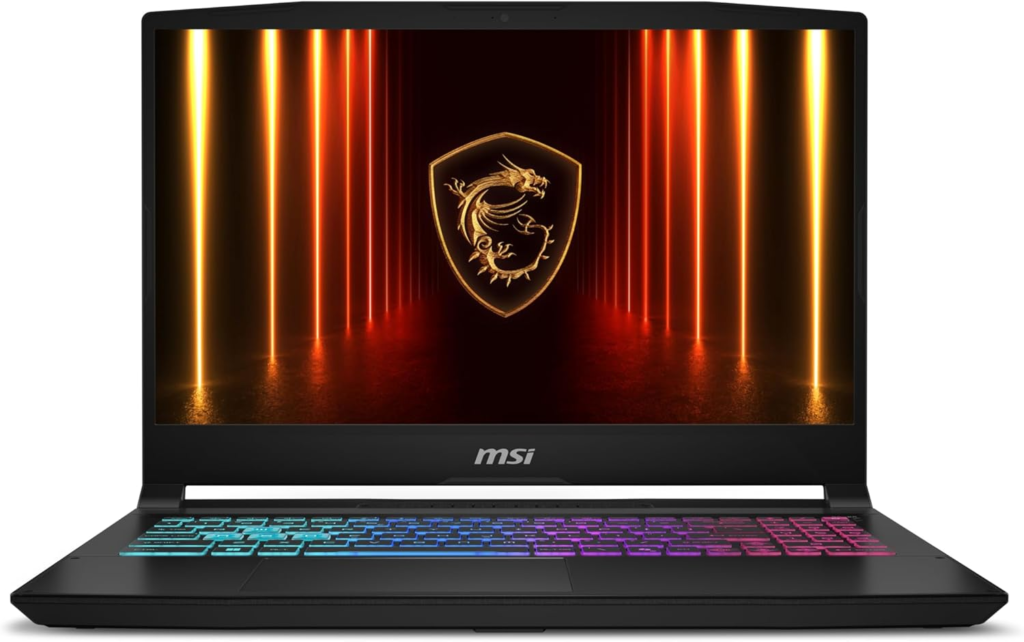
msi Katana 15 HX Gaming Laptop: 15.6” 165Hz QHD+, Intel Core i9-14900HX, NVIDIA Geforce RTX 5070, 32GB DDR5, 1TB NVMe SSD, RGB Keyboard, Win 11 Home
Excellent cooling, solid 165 Hz display, and reliable build quality for 1080p and 1440p gaming. One of the last strong-value options before full 2026 adjustments.
View current price on Amazon
Budget friendly
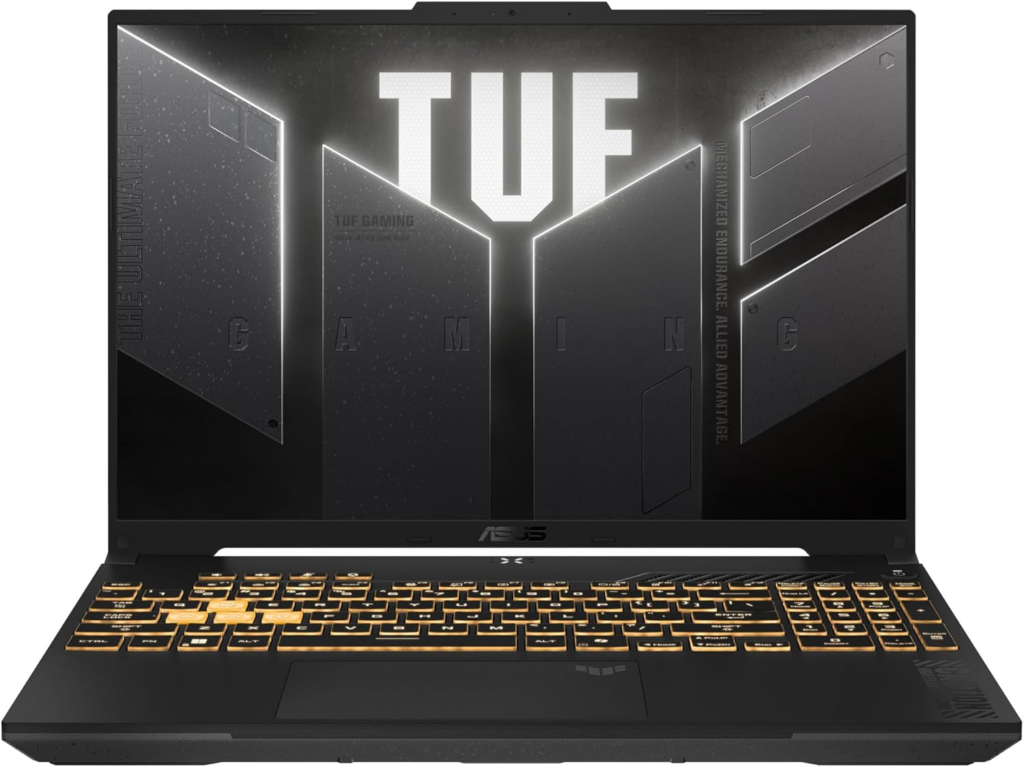
ASUS TUF Gaming F16 (2024) Gaming Laptop, 16” FHD+ 144Hz IPS-Level 16:10 Display, Intel® Core™ 5 210H Processor, NVIDIA® GeForce RTX™ 4050, 8GB DDR5, 512GB PCIe Gen4 SSD, Wi-Fi 6, Windows 11 Home
Entry level budget laptop. Military-grade durability, powerful thermals, and future-ready memory configuration. A favorite for gamers who want longevity.
View current price on Amazon
All Rounder
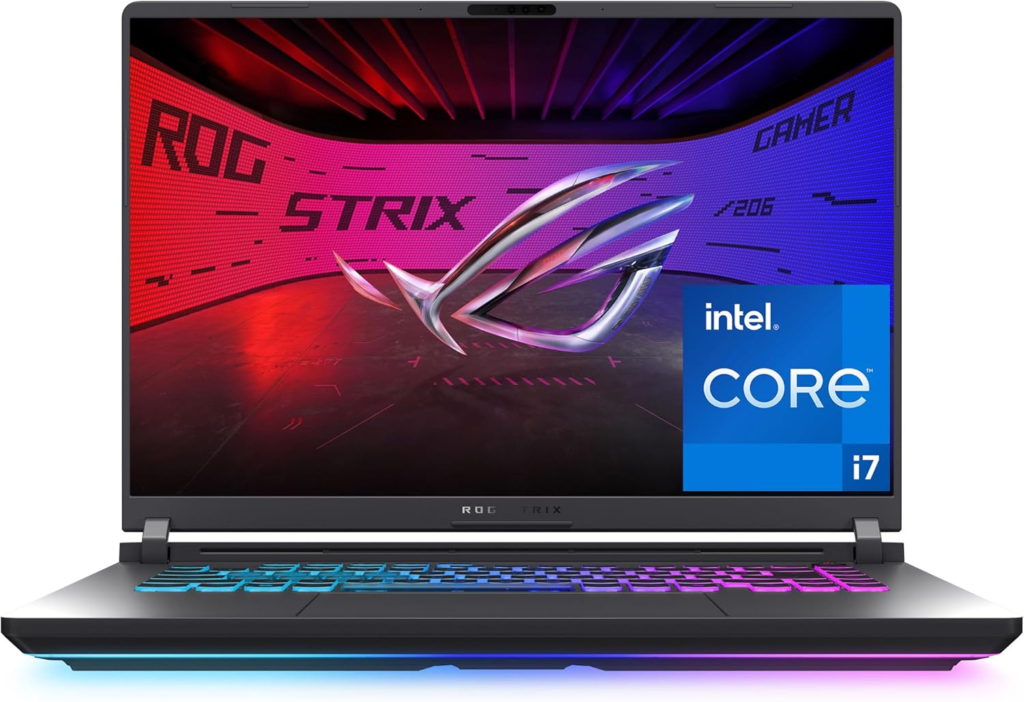
ASUS ROG Strix G16 (2025) Gaming Laptop, 16” FHD+ 16:10 165Hz/3ms Display, NVIDIA® GeForce RTX™ 5060 Laptop GPU, Intel® Core™ i7 Processor 14650HX, 16GB DDR5, 1TB Gen 4 SSD,
Premium 16-inch 165 Hz display, excellent keyboard, and strong performance for both gaming and content creation and great value for money
View current price on Amazon
Final Tips Before You Buy
- Prioritize at least 16 GB (ideally 32 GB) of DDR5 RAM and a 1 TB SSD — these specs will hold up best as memory prices remain high
- Consider buying extended warranties, since repair costs for memory-related issues are also rising
- Watch for any flash sales or open-box deals on 2025 models in the next 4–6 weeks
Outlook for the Rest of 2026
New semiconductor fabrication plants are scheduled to come online later this year, which should eventually ease the shortage. However, most analysts expect memory prices to remain elevated through at least Q3 2026.
Relief is coming — but not soon enough for most buyers.
Gamers who can wait until late 2026 may see better pricing, but those who need a machine now should act while reasonable configurations are still available.
Final Perspective
The current situation is a clear reminder of how interconnected the tech industry has become. What began as an AI boom in data centers is now directly affecting the price of the gaming laptop you want for your desk at home.
AI isn’t just changing software — it’s reshaping hardware prices worldwide.