- 1. The Numbers Don’t Lie (2025 Global Sales)
- 2. Hybrids Saved the Combustion Engine
- 3. Developing Markets Aren’t Ready for Full EVs
- 4. Synthetic Fuels & e-Fuels Are Real (And Dropping in Cost)
- 5. Hydrogen Combustion Engines Exist
- 6. Luxury and Performance Buyers Still Want the Sound and Drama
- 7. Bans Are Being Delayed or Watered Down
- Bottom Line
(And Will Be for Years to Come)
EVs are growing fast, but internal combustion engines (ICE) still power over 80 % of new cars sold globally in 2025. They’re cheaper to build in many markets, hybrids have solved the range problem, synthetic fuels and hydrogen are coming, and luxury buyers still want that engine sound. Reports of the death of the combustion engine are greatly exaggerated.
1. The Numbers Don’t Lie (2025 Global Sales)
Pure battery EVs: ~18–20 % of new cars worldwide
Plug-in hybrids + mild hybrids: ~15 %
Traditional petrol/diesel/hybrid: ~65–67 %
Even in Europe (the most aggressive region), over 55 % of new cars still have a combustion engine under the hood.
2. Hybrids Saved the Combustion Engine
Toyota, Honda, and now Ferrari, Porsche, and Lamborghini all agree: the best bridge technology is the hybrid.
Toyota sold over 11 million hybrid cars since 1997 and still can’t keep up with demand
New 2025–2026 hybrids deliver 50–70 mpg (4–5 L/100 km) in real-world driving
Plug-in hybrids give 30–80 miles of electric range + unlimited highway range
3. Developing Markets Aren’t Ready for Full EVs
In most of Asia, Africa, South America, and parts of Eastern Europe:
Charging networks are almost non-existent outside big cities
Electricity is expensive or unreliable
Up-front cost of EVs is still 40–100 % higher than petrol equivalents
Result → ICE and strong hybrids remain the logical choice.
4. Synthetic Fuels & e-Fuels Are Real (And Dropping in Cost)
Porsche, Mazda, Toyota, and Saudi Aramco are investing billions in carbon-neutral synthetic petrol and diesel.
Already works in any existing engine with zero modifications
Porsche’s Chile plant opened 2022; scaling up in 2025–2027
Expected to reach cost parity with fossil fuel by early 2030s in some regions
If e-fuels become cheap enough, classic cars and performance cars can stay “green” forever.
5. Hydrogen Combustion Engines Exist
Toyota (GR Yaris H2), BMW, Yamaha, Kawasaki, and Cummins are all developing hydrogen-burning ICEs.
Zero CO₂ – only water vapor out the tailpipe
Refuel in 3–5 minutes
Keeps the sound and feel enthusiasts love
Toyota plans limited production hydrogen combustion cars by 2026–2028.
6. Luxury and Performance Buyers Still Want the Sound and Drama
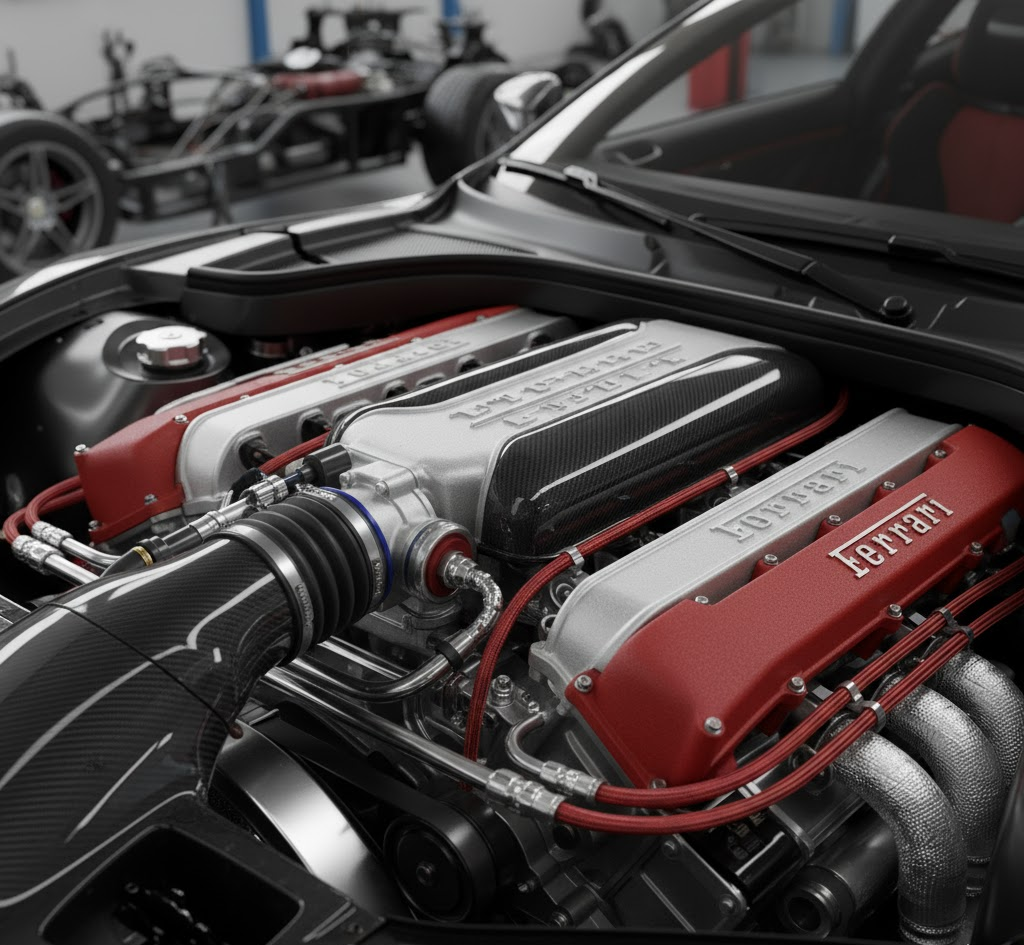
Ferrari’s first EV arrives 2026, but CEO says V12 production continues “as long as legally allowed”
Lamborghini Revuelto (hybrid V12) sold out until 2027
Porsche 911 hybrid (2025) keeps the flat-six engine
Many buyers are happy to pay carbon taxes just to keep the theatre.
7. Bans Are Being Delayed or Watered Down
EU 2035 “100 % zero-emission” rule now has e-fuels loophole
UK pushed its 2035 ICE ban back to TBD
China extended generous hybrid subsidies through 2027
USA has no federal ban at all
Bottom Line
Battery EVs will eventually dominate in wealthy countries with good infrastructure, but globally the combustion engine still has 15–30 good years left — especially in hybrid form, running on synthetic fuels, or burning hydrogen.
The engine isn’t dying. It’s evolving.
More on Automobiles