Yes and no. Phones, AI, and cars are advancing faster than ever, but the speed feels overwhelming only because the changes are visible every day. At the same time, basic infrastructure (roads, electricity, internet in many places) is still catching up. Here’s the balanced picture.
1. Where the Speed Actually Feels Insane
AI: 2022 → basic ChatGPT. 2025 → writes essays, codes apps, makes Hollywood-level video from text.
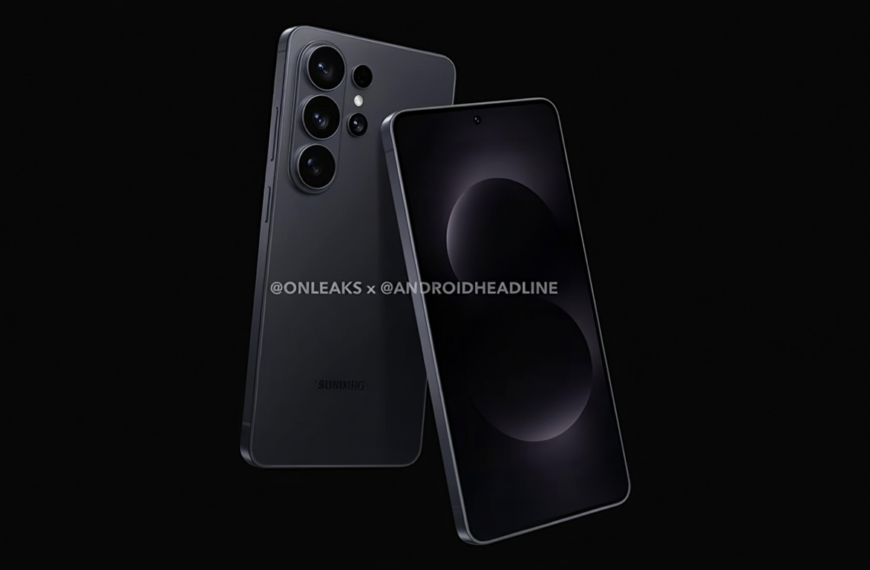
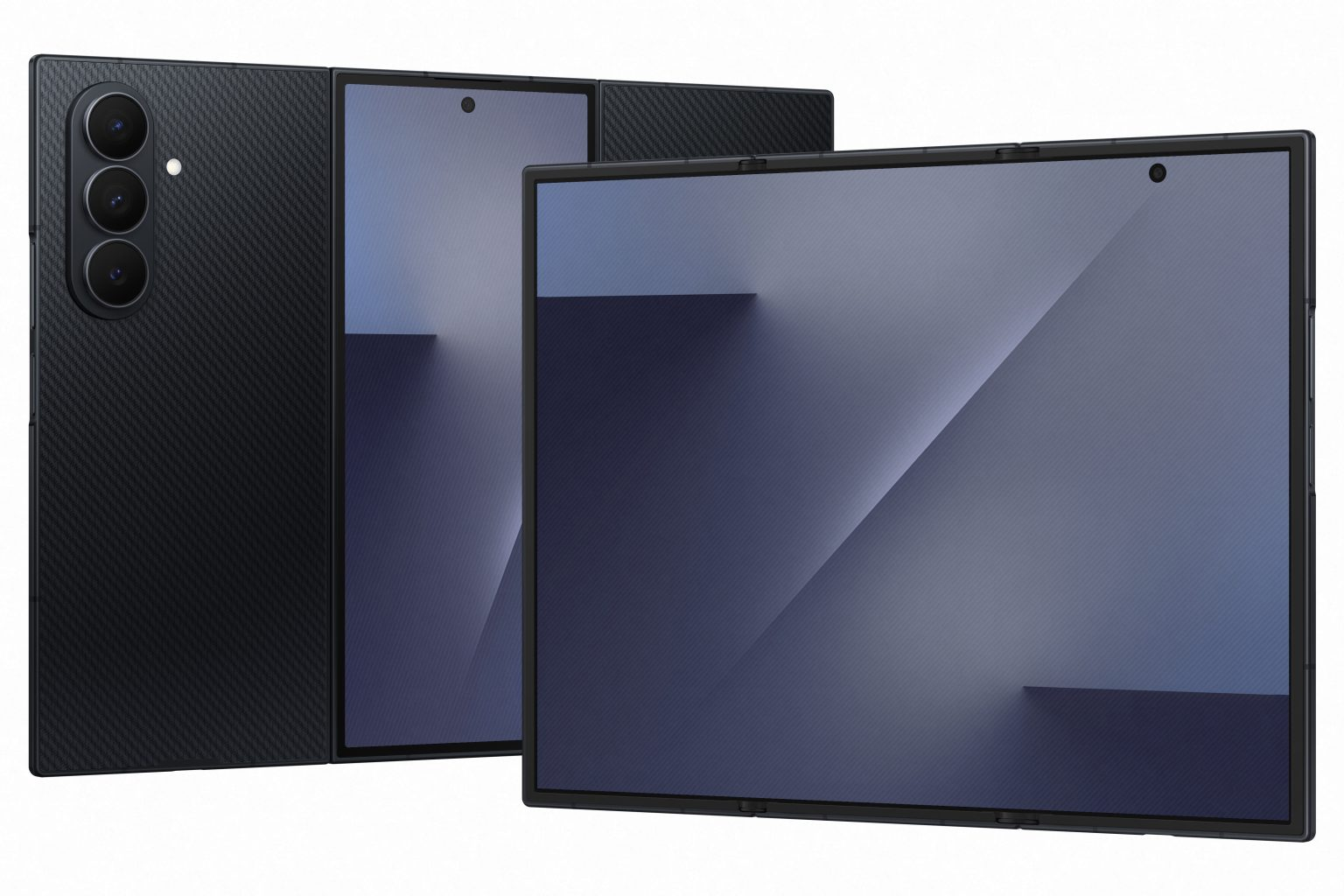
Smartphones: yearly jumps in camera, battery, and AI chips that noticeably change daily use.
Cars: 2020 → rare self-driving features. 2025 → robotaxis in several cities, 800-volt ultra-fast charging standard.
Internet: 5G is now normal; 6G testing already started in China and South Korea.
2. Where Progress Still Feels Slow
Global high-speed internet: 40 % of the world is still on 3G or worse.
Reliable electricity: blackouts remain common in many countries.
Public transport and roads: most cities haven’t changed much in 20–30 years.
Healthcare access outside big cities: still paper records and long waits in many places.
3. Why It Feels Faster Than Ever Before
Everything is connected: one breakthrough (like better AI chips) instantly improves phones, cars, laptops, and watches at the same time.
Social media shows every new thing the day it’s announced.
Short product cycles: new flagships every 12–18 months instead of every 3–4 years like in the 2000s.
4. The Real Human Effects
Positive
Education tools are now free and world-class (AI tutors, YouTube, online courses).
Remote work and global freelancing are normal.
Medical diagnosis in phones is saving lives in remote areas.
Negative
Privacy is harder to protect.
Older generations and late adopters feel left behind.
Mental health impact from constant notifications and comparison.
5. Can We Slow It Down? (Short Answer: No)
Companies compete to release the next big thing first. The country or company that slows down risks falling behind economically. Governments are adding rules (EU AI Act, data laws), but they usually arrive after the technology is already out.
6. How to Stay Comfortable with the Speed
You don’t need the newest device every year. A 2023 phone still works perfectly in 2025.
Turn off most notifications.
Pick one or two new tools to learn properly instead of trying everything.
Remember: most “revolutionary” announcements are marketing. Real change usually takes 3–5 years to reach daily life.
Bottom Line
Technology itself isn’t moving “too fast” — it’s always accelerated. What changed is that we now see and feel every step in real time. The trick is choosing what to adopt and what to ignore.
More on Tech