
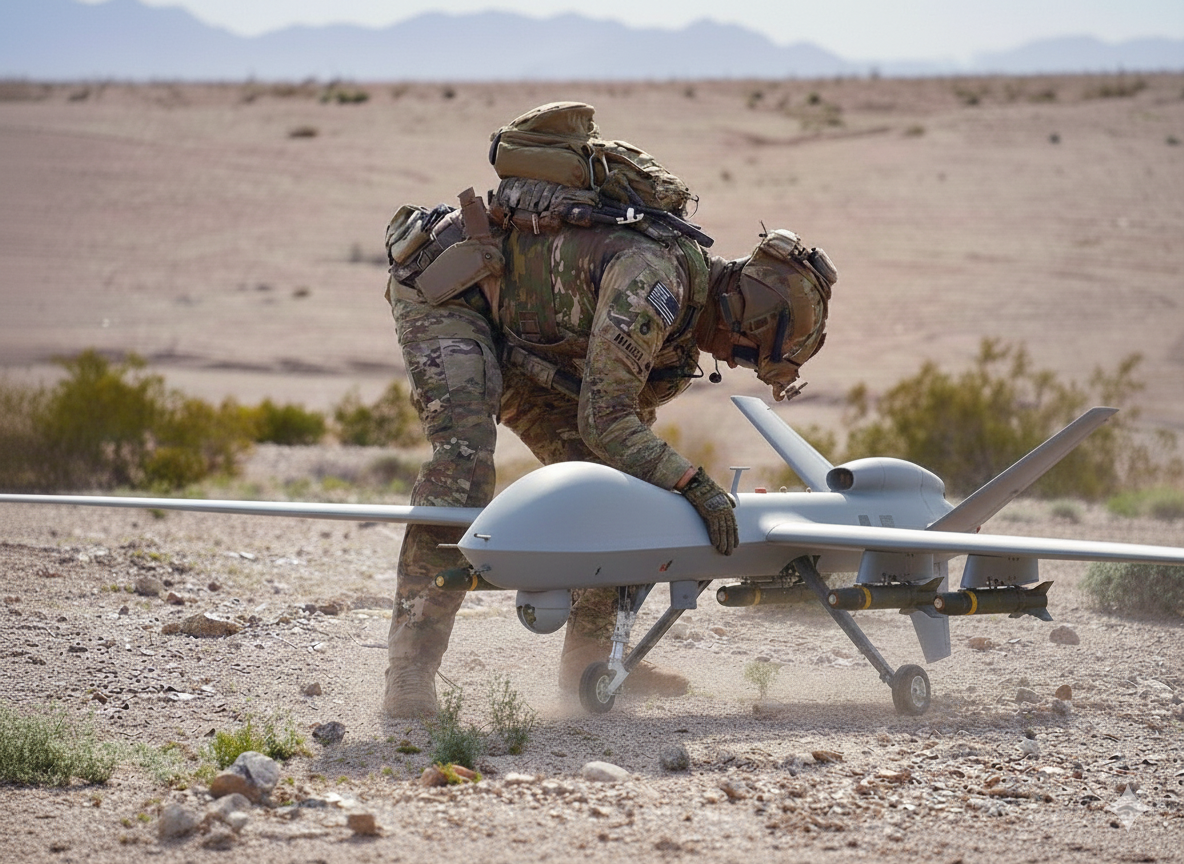
Lasers, super-fast missiles, smart drone swarms, and AI-powered robots are no longer science fiction, they’re being tested and deployed right now by militaries around the world.
In 2025, breakthroughs in directed-energy weapons, hypersonic missiles, autonomous drones, and AI systems are reshaping how wars are fought. Battles are becoming faster, more precise and in many cases, more frightening.
This article breaks down the four biggest advanced military technologies of 2025:
- What they are
- How they work
- Real examples from 2025
- Why they matter — including the uncomfortable reality that civilians still suffer the most
1. Directed Energy Weapons (Lasers & Microwaves)
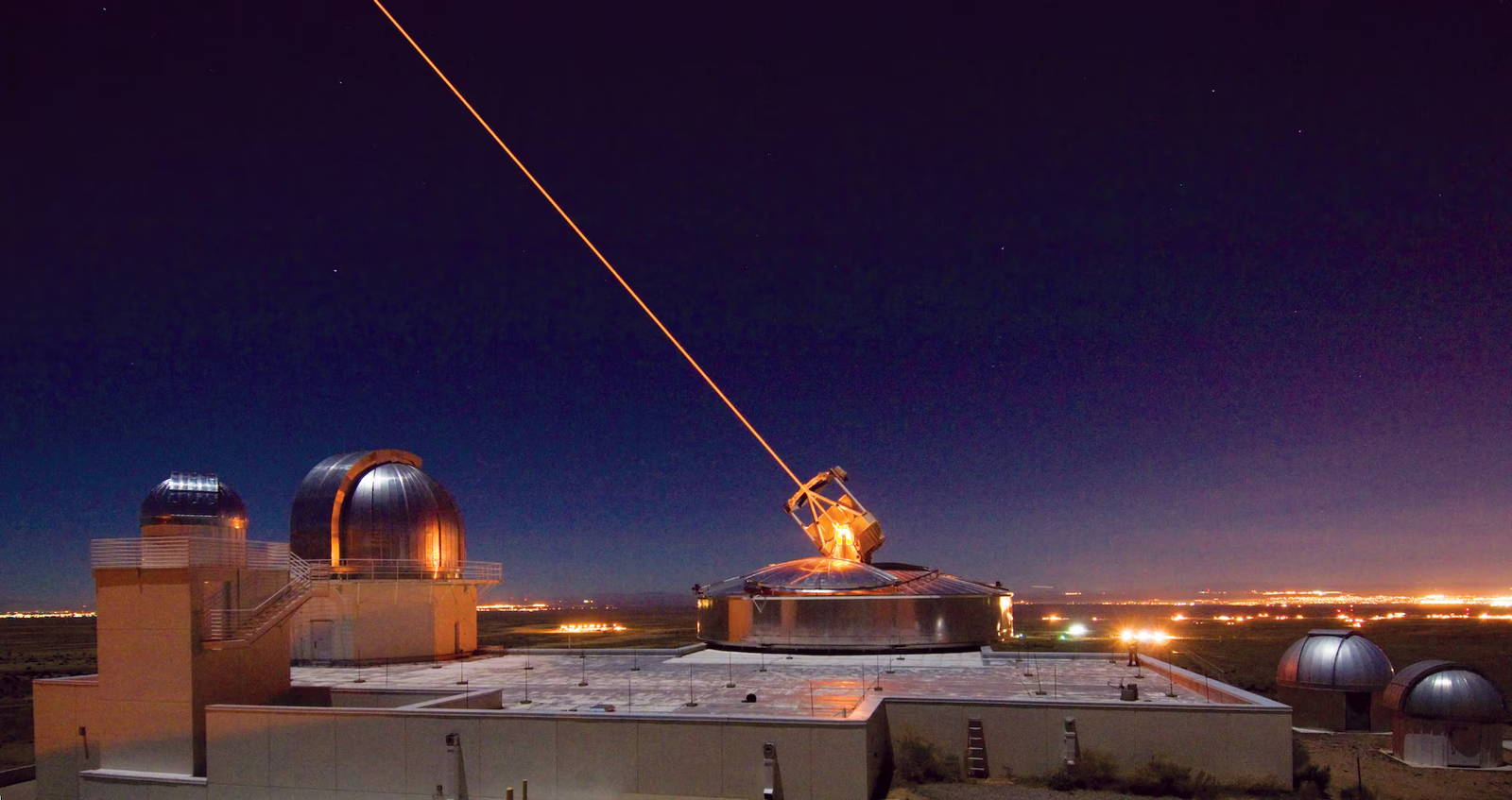
These weapons fire focused energy beams instead of bullets or explosives.
How They Work
- Lasers heat targets until drones or missiles melt or fail
- Microwaves disable electronics by frying internal circuits
2025 Highlights
- Israel’s Iron Beam became operational, intercepting rockets and drones
- The United States Navy tested high-power ship-based lasers against drone threats
Why It Matters
- Each shot costs very little compared to missiles
- Extremely effective against drone swarms
- Some versions are marketed as non-lethal for crowd control
However, high-energy versions can cause severe burns, blindness, or death, raising serious humanitarian concerns.
2. Hypersonic Weapons
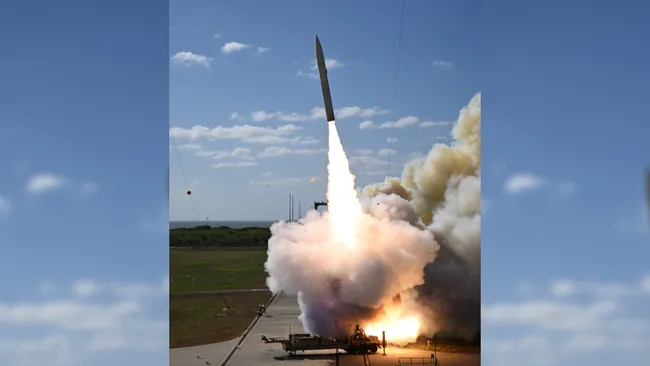
These are missiles that fly at more than 5× the speed of sound, while also maneuvering to evade defenses.
How They Work
- Launched by rockets
- Glide through the atmosphere at extreme speeds
- Change direction mid-flight, making interception extremely difficult
2025 Highlights
- United States, China, and Russia all advanced hypersonic deployments
- Capable of striking targets across continents in minutes
Why It Matters
- Drastically reduces warning time for defenders
- Forces new military strategies among major powers
- Increases risk of accidental escalation due to split-second decisions
3. Drone Swarms
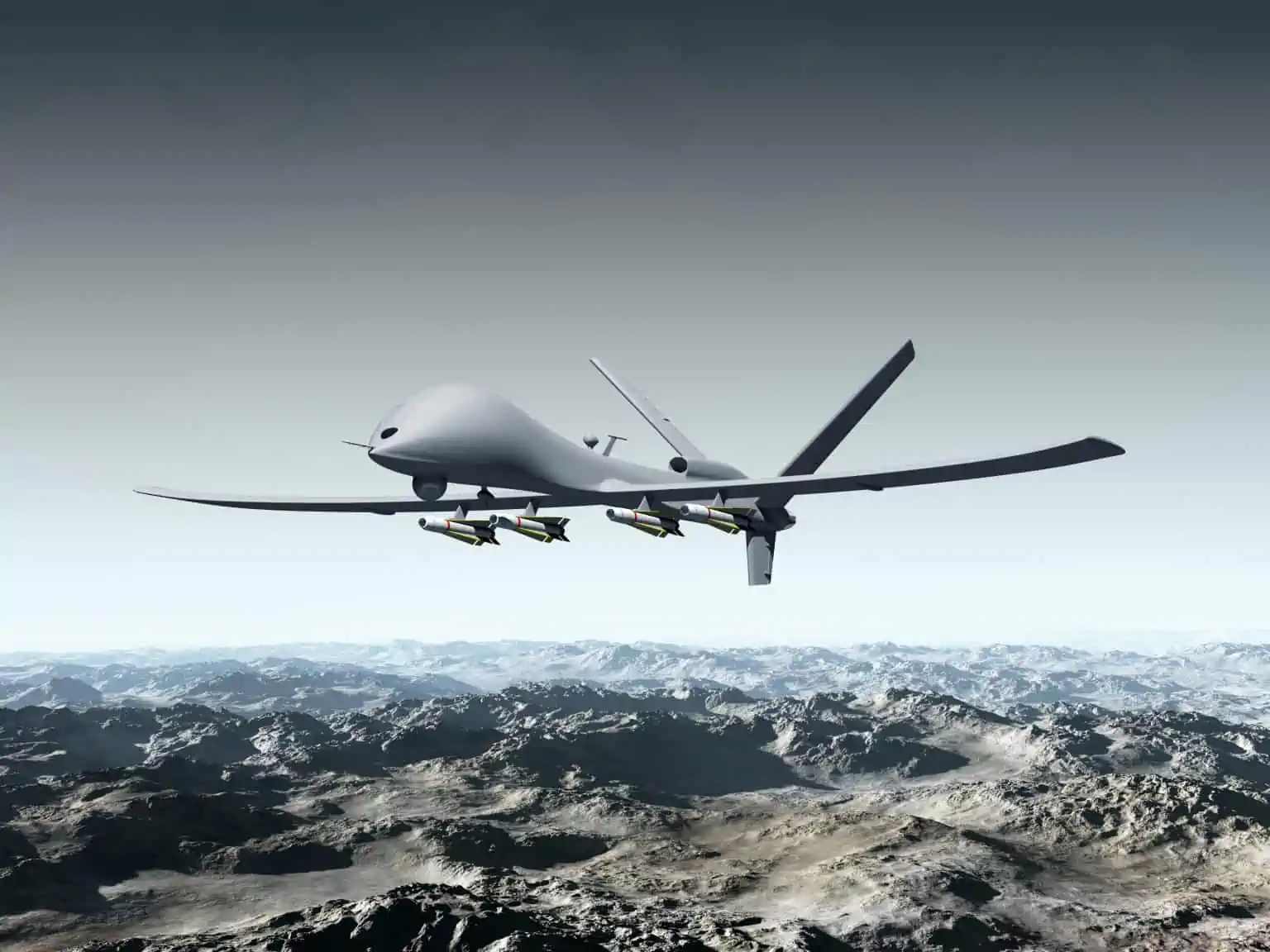
Instead of one drone, imagine hundreds working together, coordinated by AI.
How They Work
- Drones communicate with each other in real time
- Share targeting data
- Attack simultaneously, overwhelming air defenses
2025 Highlights
- The U.S. Replicator Program aims to deploy thousands of autonomous drones
- Real-world conflicts (including Ukraine) proved how devastating swarm tactics can be
Why It Matters
- Extremely cheap compared to traditional weapons
- Difficult to stop once launched
But the civilian cost is severe.
In 2025 conflicts like Ukraine and Sudan, UN reports documented:
- 395+ civilian deaths from short-range drone attacks
- Thousands injured
- Homes, hospitals, buses, and marketplaces hit
4. AI in Autonomous Weapons
These systems can detect, decide, and attack with minimal human control.
How They Work
- AI analyzes sensor data
- Predicts enemy behavior
- Selects and engages targets
2025 Highlights
- Testing of AI-controlled drones and robot dogs
- Growing international debate over ethical and legal limits
Why It Matters
- Faster decisions than human soldiers
- Reduces risk to military personnel
But the risks are enormous:
- AI can misidentify civilians
- Accountability is unclear — who is responsible when a machine kills wrongly?
- Errors can escalate conflicts rapidly
Experts warn of unlawful killings, accountability gaps, and loss of human control.
The Big Picture: Progress, Promise, and Pain
These technologies promise:
- Greater precision
- Fewer soldiers killed
- Less reliance on massive explosions
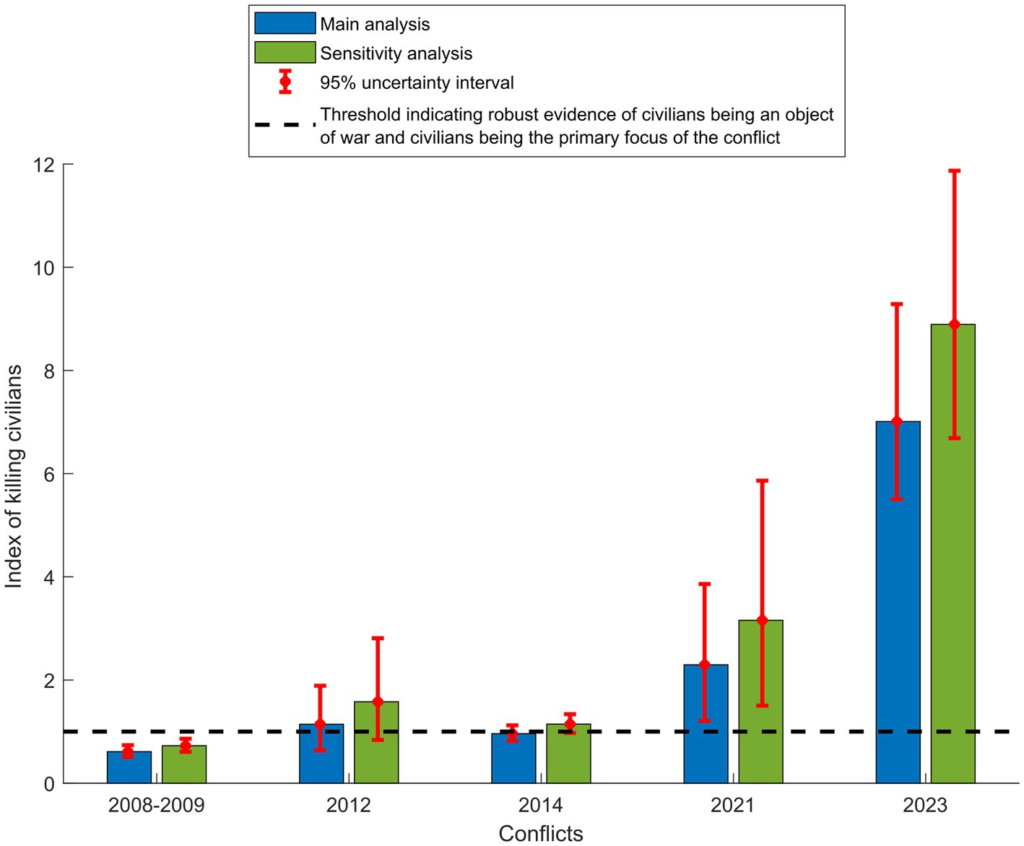
But reality tells a darker story.
The Human Cost in 2025
- Drone strikes in Ukraine caused record civilian casualties
- Conflicts in Sudan, Gaza, and other regions saw drones and missiles strike non-combatants
- AI errors and poor oversight amplified mistakes
Wars become easier to start when soldiers are safer — but the danger shifts to civilians.
The Ethical Question
As machines gain autonomy:
- Who is responsible when civilians die?
- Can “precision” ever justify automated killing?
- Should fully autonomous “killer robots” be banned?
Calls for international regulation and bans are growing — but deployment continues.
Final Thought
Technology is transforming warfare.
These tools save lives on one side —
while ending them on the other.
Is this a necessary evolution… or a step too far?