2024
Year BMW patented the system
Jul/Aug ’26
M3/M4 and M2 production start
Nov 29 ’26
Euro 7 takes effect
Unconfirmed
US availability, per BMW
QUICK ANSWER
BMW M Ignite is a new pre-chamber ignition system entering production on the S58 six-cylinder engine in the M2, M3, and M4, starting with the M3 and M4 in July 2026 and the M2 in August. It gives each cylinder two spark plugs instead of one, so under hard acceleration or track driving, combustion happens faster and more completely, cutting fuel consumption under high load without reducing power. BMW says it’s patented, motorsport-derived technology, and that it helps the S58 meet Europe’s Euro 7 requirements, effective November 29, 2026. So far, it’s confirmed for European-market cars only. BMW says current US models won’t get it and won’t say when, or if, that changes.
KEY TAKEAWAYS
• M Ignite gives the S58 engine two ignition systems per cylinder: a conventional spark plug and a separate pre-chamber spark plug.
• Power output is unchanged. The gain is fuel efficiency under high load, which BMW says matters most on track days.
• BMW says it’s timed to help the M2, M3, and M4 meet the EU’s Euro 7 requirements, which take effect November 29, 2026.
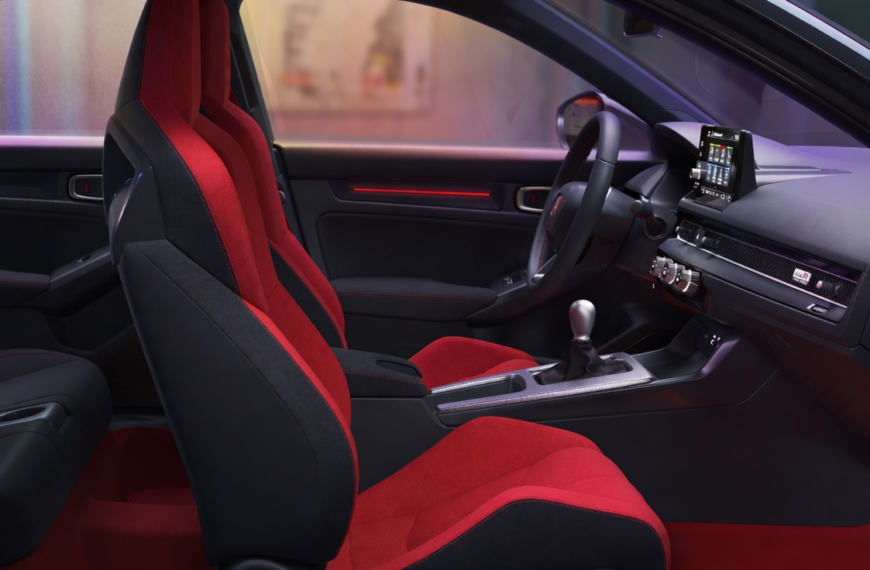
• Pre-chamber ignition isn’t new. Honda used a version of it in the 1970s Civic, Maserati uses it in the Nettuno V6, and Formula 1 has used it since 2014. BMW’s implementation is its own patented design, filed in 2024.
• BMW has confirmed the update for European production only. It told BMWBLOG that current US-market cars will not receive it, with no timeline offered.
What Happened
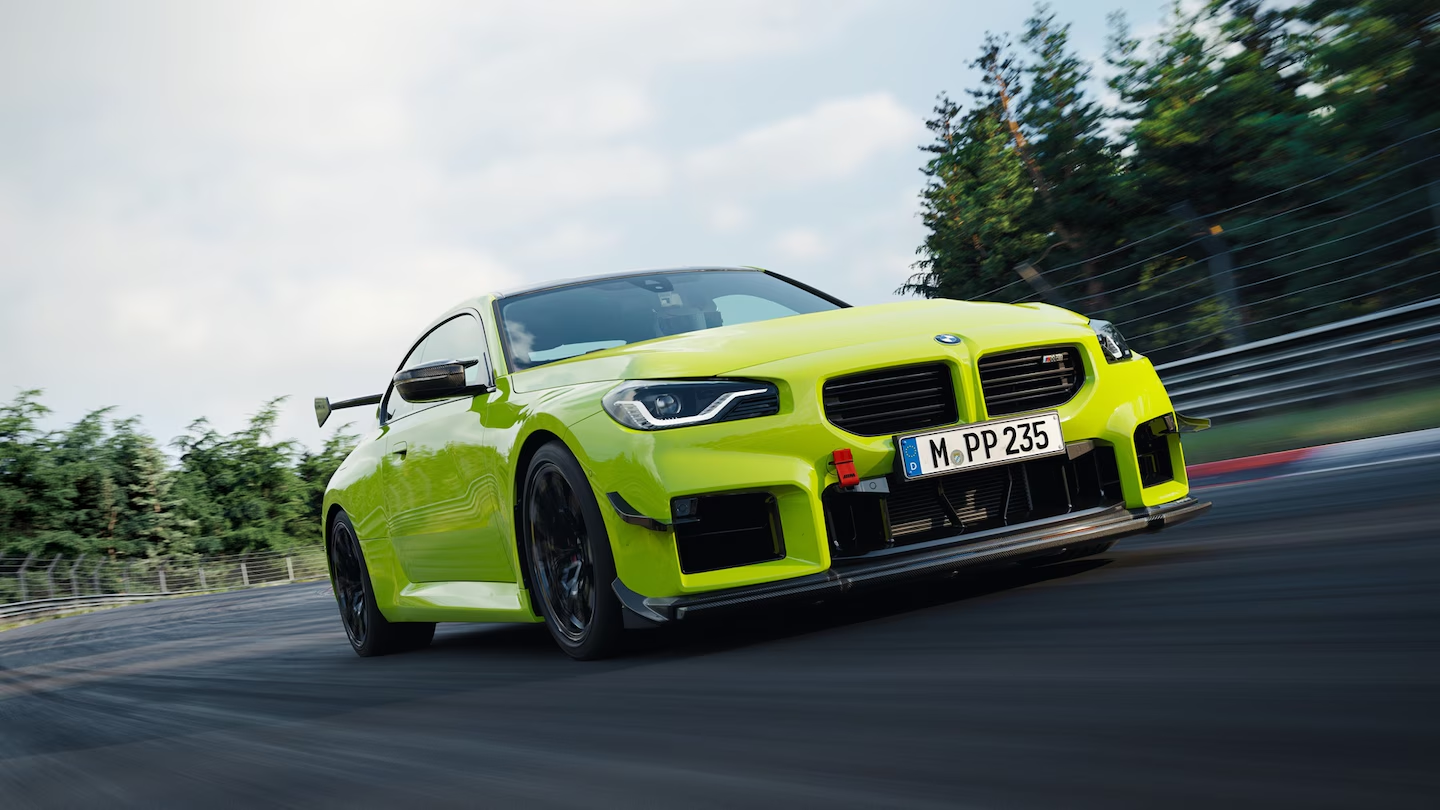
On May 7, 2026, BMW announced M Ignite, a new pre-chamber ignition system for the S58 inline-six that powers the M2 (G87), M3 (G80), and M4 (G82). Production starts with the M3 and M4 in July 2026, with the M2 following in August. BMW is pairing the new ignition system with a higher compression ratio, variable turbine geometry turbochargers (a first for this engine), and revised pistons, camshafts, and exhaust ports. Power figures stay the same across every variant.
How Pre-Chamber Ignition Actually Works
A normal spark plug sits in the main combustion chamber, above the piston, and ignites the fuel-air mixture directly. M Ignite adds a second, smaller chamber built into the cylinder head, with its own spark plug and its own ignition coil. That pre-chamber connects to the main chamber through small overflow openings.
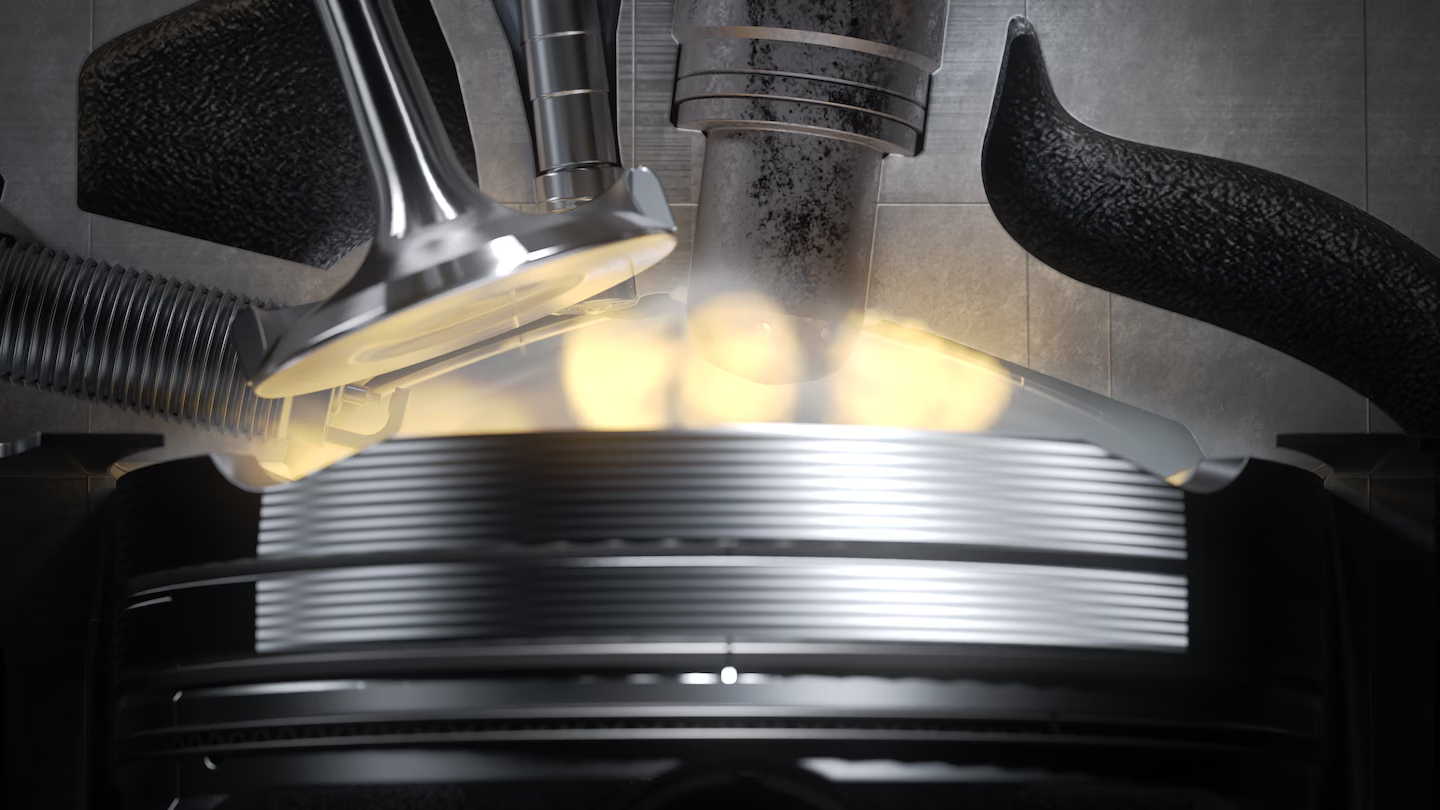
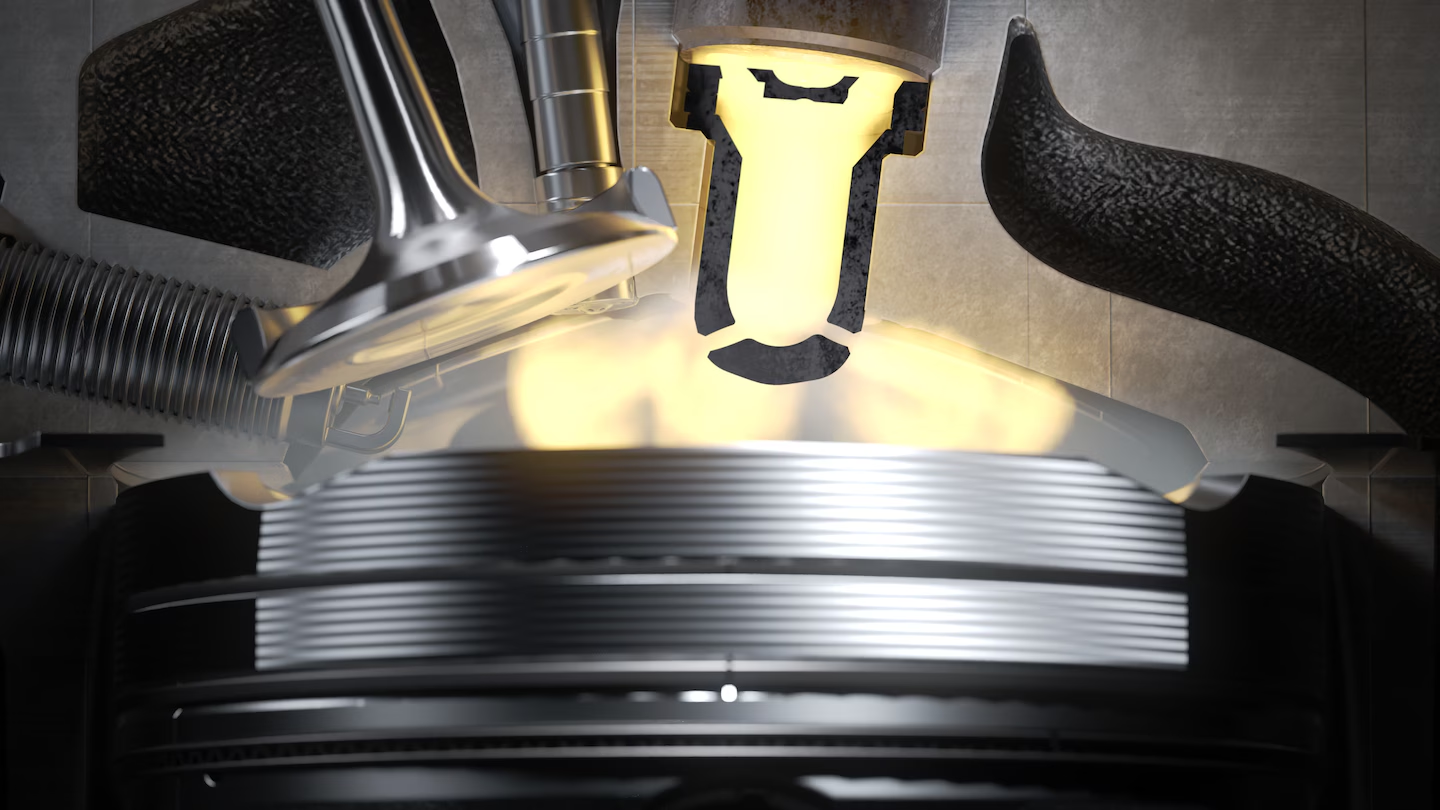
The result , according to BMW, is faster and more complete combustion, a meaningful drop in fuel consumption under load, lower exhaust gas temperatures, and reduced risk of engine knock.
Why This Isn’t Entirely New
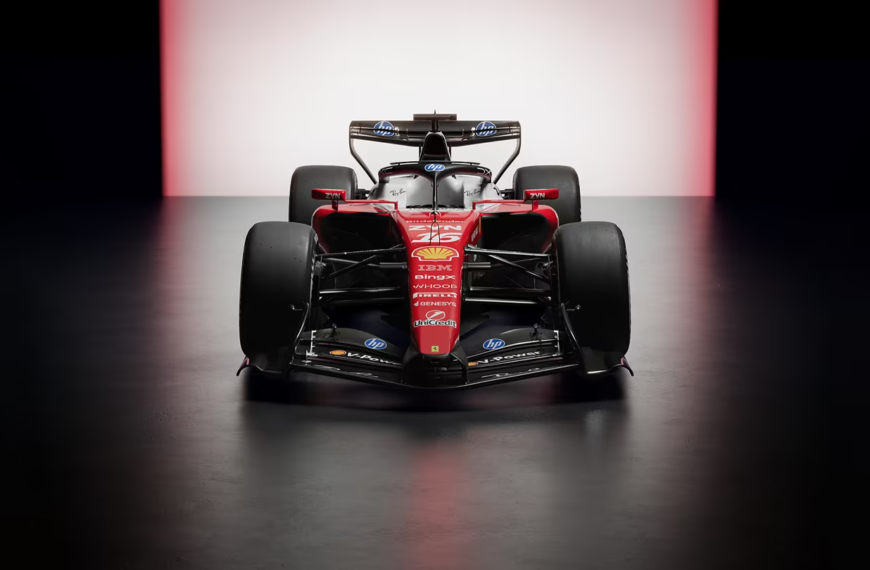
Pre-chamber ignition itself isn’t a new concept, and BMW isn’t claiming otherwise. Honda used a version of it in the 1970s Civic. Maserati uses a similar approach today in its Nettuno V6. Formula 1 has run turbulent-jet, pre-chamber ignition since 2014, and some trace the underlying idea back further, to diesel engine design.
So is this “F1 technology”?
Loosely, yes. It’s the same category of ignition technology that F1 popularized, and BMW itself describes M Ignite as an example of “the transfer of technology from racing cars to series-production models.” But BMW’s system is its own patented design, filed in 2024, not a transplanted F1 part. The more accurate framing is that BMW built its own version of an idea racing has been refining for over a decade, not that a Formula 1 component was dropped into a road car.
Why Euro 7 Pushed BMW Toward This
Euro 7, the EU’s next vehicle emissions standard, takes effect on November 29, 2026, for newly type-approved vehicles. Compared to the current Euro 6 rules, Euro 7’s exhaust limits don’t change dramatically on paper. What changes is the testing: cars now have to meet those limits under harder real-world conditions, including short trips, extreme temperatures, and, notably, sustained high-load driving, along with new durability requirements that hold for 10 years or roughly 124,000 miles.
That’s close to the condition pre-chamber ignition is built to handle. A high-performance engine under hard, sustained load is exactly the scenario where combustion has traditionally been messiest, and where an engine is most likely to fall outside emissions limits once testing gets tougher. BMW frames M Ignite as a track-day fuel-savings feature, and it likely is one. Reading the two together, M Ignite lines up closely with the specific real-world condition Euro 7’s testing was written to catch, though BMW hasn’t explicitly framed it that way itself.
The Question BMW Won’t Answer
Here’s the detail most coverage of this launch has undersold: M Ignite, so far, is a European story. When BMWBLOG asked directly whether US-market M2, M3, and M4 models currently in production would get the update, BMW’s answer was narrow and deliberate: current-production US G8x cars will not receive it, and the company “will not speculate on when it may arrive in the US or in which model(s).” The US-only M3 CS Handschalter is excluded as well, meaning two different versions of the same S58 engine will exist on the market at once.
That’s not necessarily suspicious. Euro 7 is an EU regulation with no US equivalent, so the regulatory pressure driving BMW’s European rollout simply doesn’t apply to US models in the same way. But it does mean the efficiency and durability benefits BMW is touting won’t reach American buyers on any confirmed timeline, even though nothing about the technology itself is Europe-specific.
Why It Matters
For BMW M customers who actually track their cars, this is a straightforward win: more laps on the same tank of fuel, with no power penalty. For the broader industry, it’s a useful data point in an ongoing argument, that tightening emissions regulation doesn’t have to mean smaller engines, added hybrid weight, or detuned performance. Maserati’s already made a similar bet with the Nettuno. BMW’s move suggests at least one more major manufacturer sees genuine engineering headroom left in the combustion engine, rather than treating every new regulation as a reason to electrify faster.
For US buyers, the more relevant takeaway may be about market structure than engineering: regulation shaped where and when this technology arrives, not just whether it exists. A car that’s meaningfully different under the skin will be sold in Europe as the new standard, while the US gets the older architecture, for now, because nothing is currently forcing BMW’s hand here the way Euro 7 does there.
Ludicarc’s Take
VERDICT
The original framing, that this is a rare case of emissions regulation making an engine genuinely better rather than just cleaner or slower, holds up. Euro 7’s real-world, high-load testing requirements line up almost exactly with the operating conditions pre-chamber ignition is best at handling, and BMW gets a fuel-efficiency win at the same time, not just a compliance checkbox.
Where the story oversells itself slightly is the “F1 tech in a street car” framing. It’s motorsport-derived and in the same technical family F1 has used since 2014, but it’s BMW’s own patented engineering, not a transplanted racing part, and pre-chamber ignition has existed in road cars before, from Honda’s 1970s Civic to Maserati’s Nettuno today.
The detail worth watching isn’t the ignition system itself. It’s that BMW built a real engineering answer to a regulation that only applies on one continent, and, for now, is visibly uncommitted to bringing that answer to the market where no such regulation exists.
Sources
• BMW Group, “BMW M Ignite technology: Innovative new technology for all six-cylinder in-line engines from BMW M”, official press release,• May 7, 2026 (primary source)
• BMWBLOG, reporting on US-market exclusion and technical detail
• Motor1, “BMW’s New Ignition Tech Could Extend The Life Of M Performance Engines”
• DrivenCarGuide, “BMW M Ignite tech makes six-cylinder M cars cleaner without cutting power”
• TorqueCafe, coverage comparing M Ignite to Maserati’s Nettuno and F1 pre-chamber systems
• Mouser Electronics, “Euro 7: A Guide to EU Vehicle Standards in 2026”, on Regulation (EU) 2024/1257 and its November 29, 2026 effective date
• Motorpoint, explainer on Euro 7’s real-world testing and durability requirements