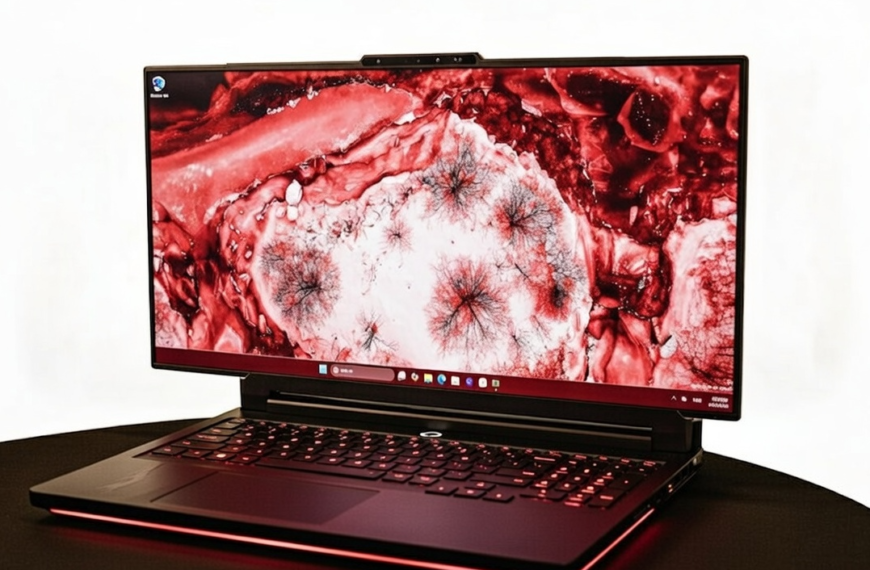

If you’re eyeing a new gaming laptop, you’ve likely noticed prices jumping 15–30% since late 2025. A solid RTX 4070 laptop that cost around $1,200 last year is now closer to $1,500–$1,800.
The main reason behind this surge is AI-driven shortages of DRAM (RAM) and NAND (storage), which have pushed memory prices to historic highs.
Key Reasons for the Price Surge
AI Data Centers Hoarding Supply
Massive demand for High-Bandwidth Memory (HBM) in AI servers has forced major manufacturers—Samsung, SK Hynix, and Micron—to reallocate production. As a result, consumer DDR5 RAM and SSD supply is shrinking, with prices rising 100–200% in just a few months.
Manufacturers Passing Costs to Consumers
Laptop brands are now passing these increased component costs directly to buyers:
- ASUS: Price hikes on select models starting January 5, 2026
- Dell: 20–30% increases beginning mid-December 2025
- Lenovo: Quotes expire January 1, 2026, with hikes expected
- HP and Acer: Expected to follow similar pricing trends
Spec Downgrades Are Likely
To keep prices from climbing even higher, some 2026 laptop models may ship with weaker base specs, such as:
- 8GB RAM instead of 16GB
- Smaller SSDs
This is bad news for gamers, as modern games increasingly rely on higher memory and storage speeds.
Price Impact Timeline
| Period | Event | Expected Hike |
|---|---|---|
| Late 2025 | DRAM/NAND prices double or more | 10–20% initial |
| Dec 2025 – Jan 2026 | Dell, ASUS, Lenovo hikes begin | 15–30% |
| Q1 – Q2 2026 | Peak shortages | Up to 8% average PC price increase (IDC) |
| Late 2026+ | New fabs possibly come online | Potential stabilization |
Sources
TrendForce · IDC · Tom’s Hardware · NotebookCheck
Buying Advice
If you’re planning to buy, 2025 stock and holiday deals may be your last chance to get a gaming laptop at pre-hike prices.
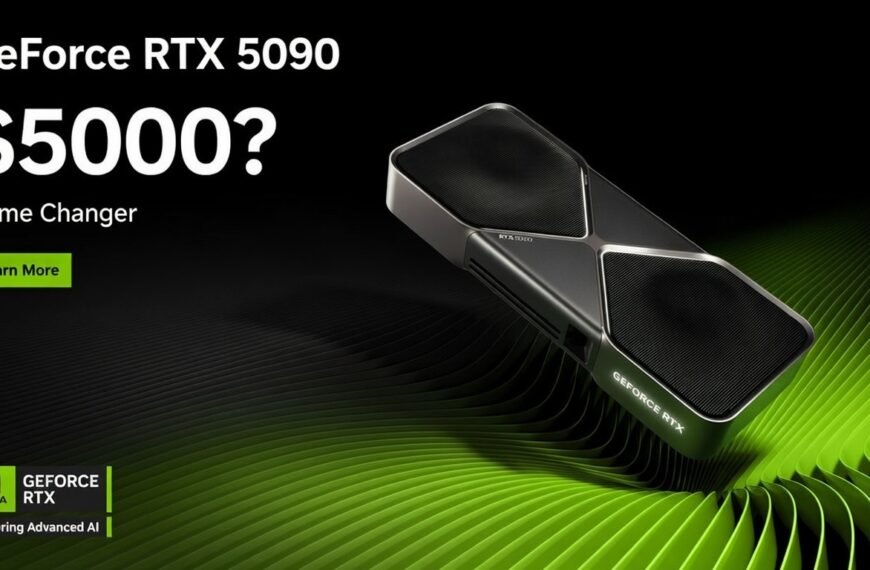
RTX 50-series laptops are launching with starting prices around $1,299, but rising memory costs are expected to inflate those prices as well.