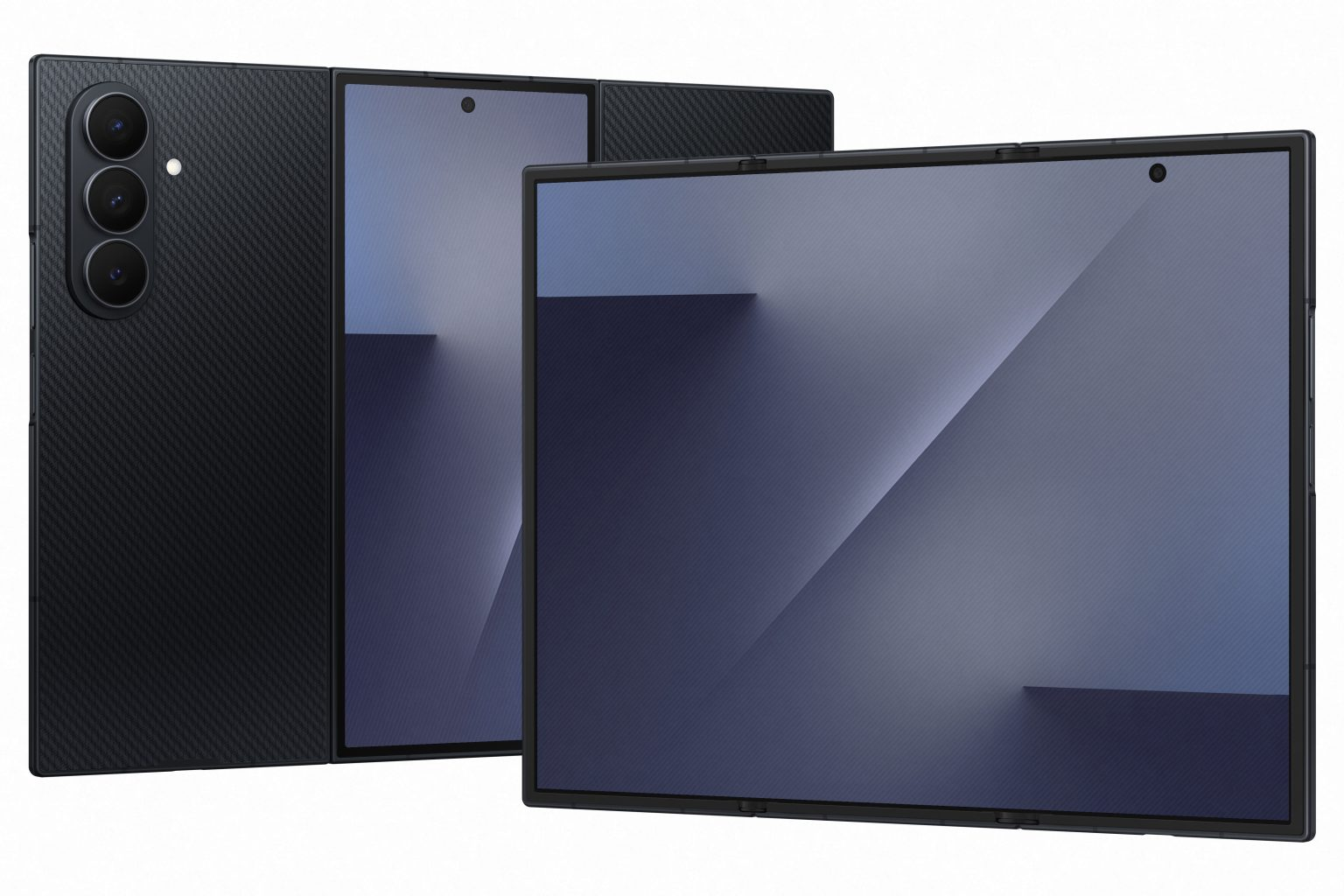
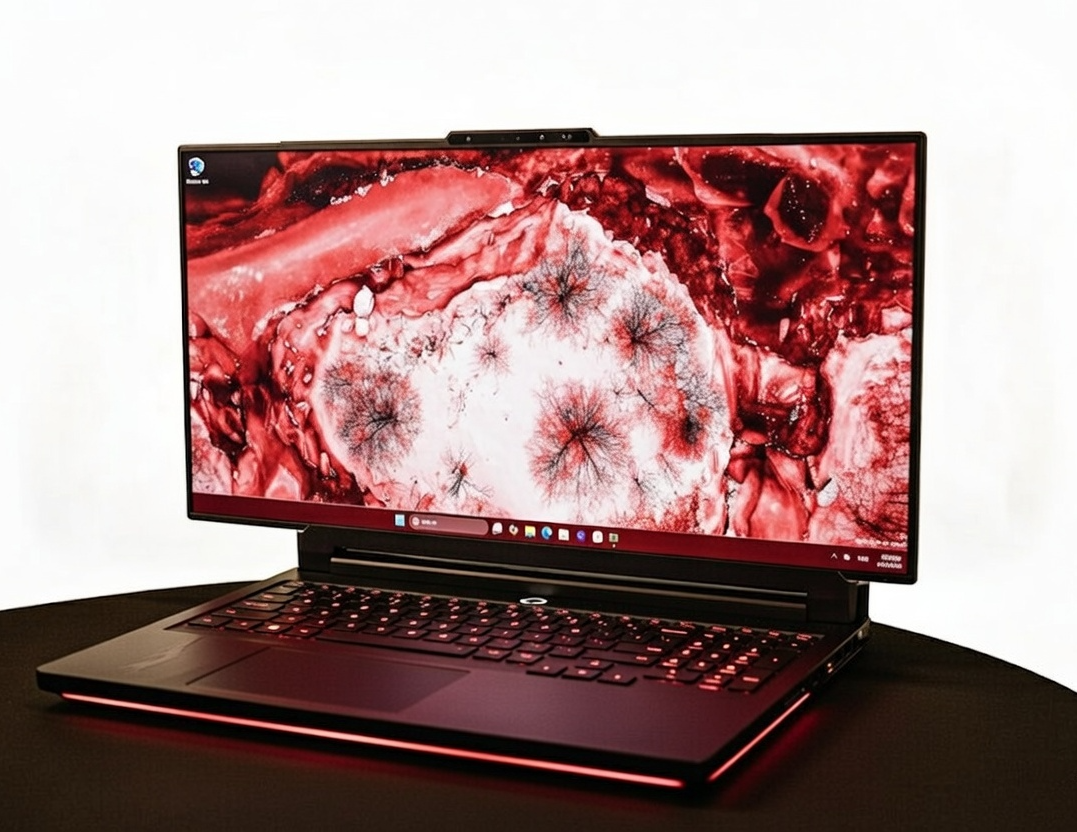
Gaming laptops featuring rollable displays and modular components emerged as one of the most notable hardware trends at CES 2026, signaling a shift toward more flexible, upgrade-friendly portable systems.
Manufacturers showcased concepts aimed at addressing long-standing trade-offs between portability and performance, as well as growing pressure for sustainability and longer device lifespans. While many designs remain experimental, industry observers say the technologies are increasingly close to commercial deployment.
Lenovo Unveils Rollable Legion Pro Concept
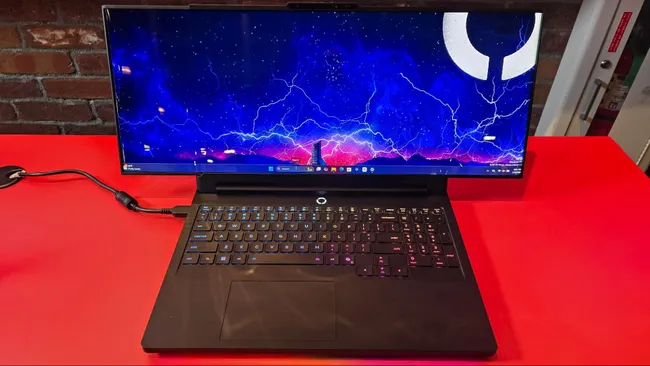
Lenovo drew significant attention with its Legion Pro Rollable concept, which integrates a motorized, rollable OLED display into a traditional gaming laptop chassis. The system features a 16-inch screen in its standard configuration, which can extend horizontally to 21.5 inches or 24 inches via internal dual motors.
The expandable display is designed to provide ultrawide screen space for gaming and productivity without sacrificing portability. Lenovo said the concept uses its PureSight OLED panel technology, offering high refresh rates, deep contrast, and wide color coverage.
The prototype is powered by Intel Core Ultra processors and NVIDIA GeForce RTX 5090 laptop GPUs, positioning it at the high end of the gaming market. Lenovo has not announced a production timeline, though the company previously commercialized a rollable ThinkBook concept, suggesting a potential launch window in late 2026 or 2027.
Modular Laptop Designs Gain Momentum
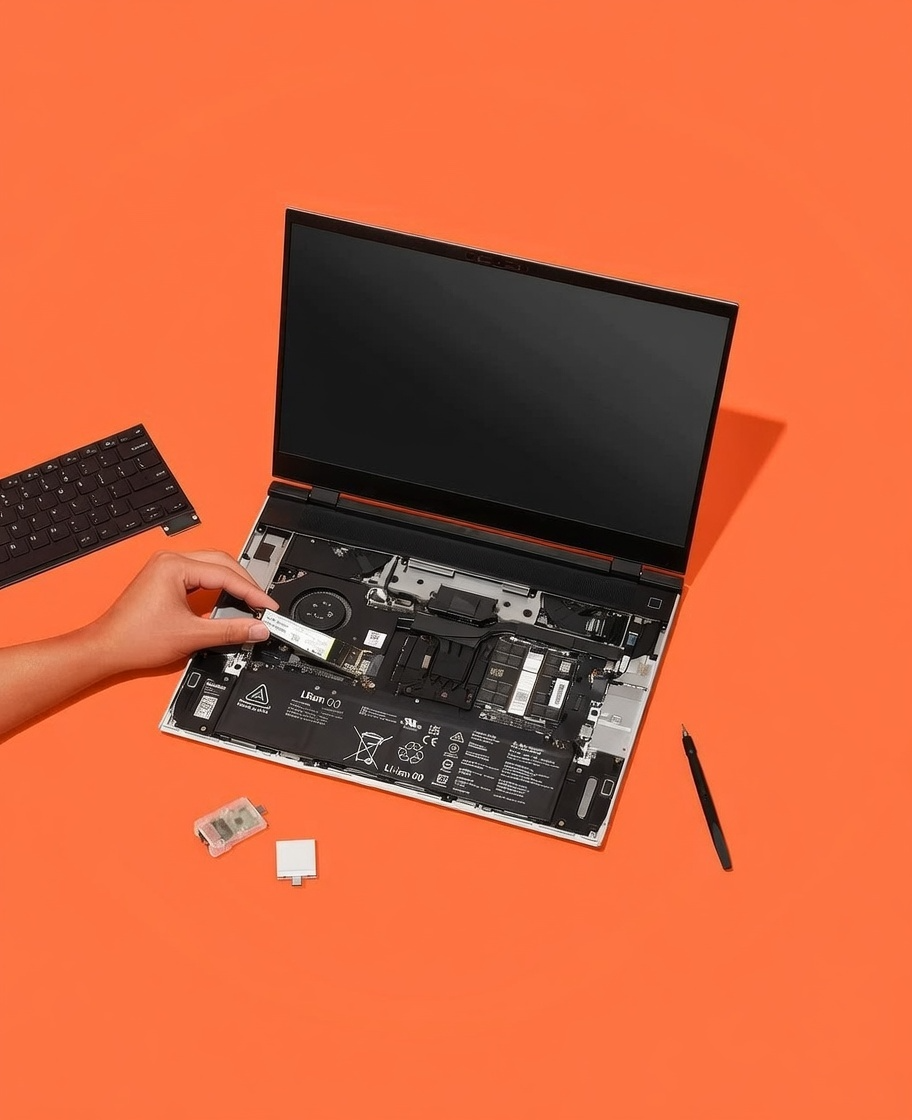
Alongside flexible displays, modular and semi-modular laptop designs gained traction across the show floor. Several manufacturers, including HP, Dell, and Lenovo, demonstrated systems that allow users to replace or upgrade components such as memory, storage, ports, keyboards, and cooling elements.
The approach builds on momentum established by companies like Framework, which pioneered consumer modular laptops. While most gaming-focused designs stop short of full modularity, manufacturers say partial upgradability can extend device lifespans and reduce electronic waste.
For gamers, the shift could allow performance upgrades over time without replacing entire systems, a growing concern as flagship gaming laptops increasingly exceed $3,000.
Industry Drivers: Cost, Sustainability, and Regulation
The trend toward modularity aligns with rising global right-to-repair regulations and increasing scrutiny over e-waste. At the same time, flexible display technologies—once limited to experimental devices—are maturing as manufacturing yields improve and costs decline.
Industry analysts note that while rollable and modular gaming laptops are unlikely to become mainstream in the immediate term, CES 2026 demonstrated that both technologies are moving beyond novelty and into early-stage commercialization.
Outlook
Manufacturers are expected to refine these designs over the next 12 to 24 months, balancing durability, cost, and performance. If brought to market successfully, rollable and modular laptops could reshape expectations for high-end portable gaming systems.
For now, CES 2026 marked a clear signal that gaming laptops are entering a new phase focused on flexibility, longevity, and user-driven customization.