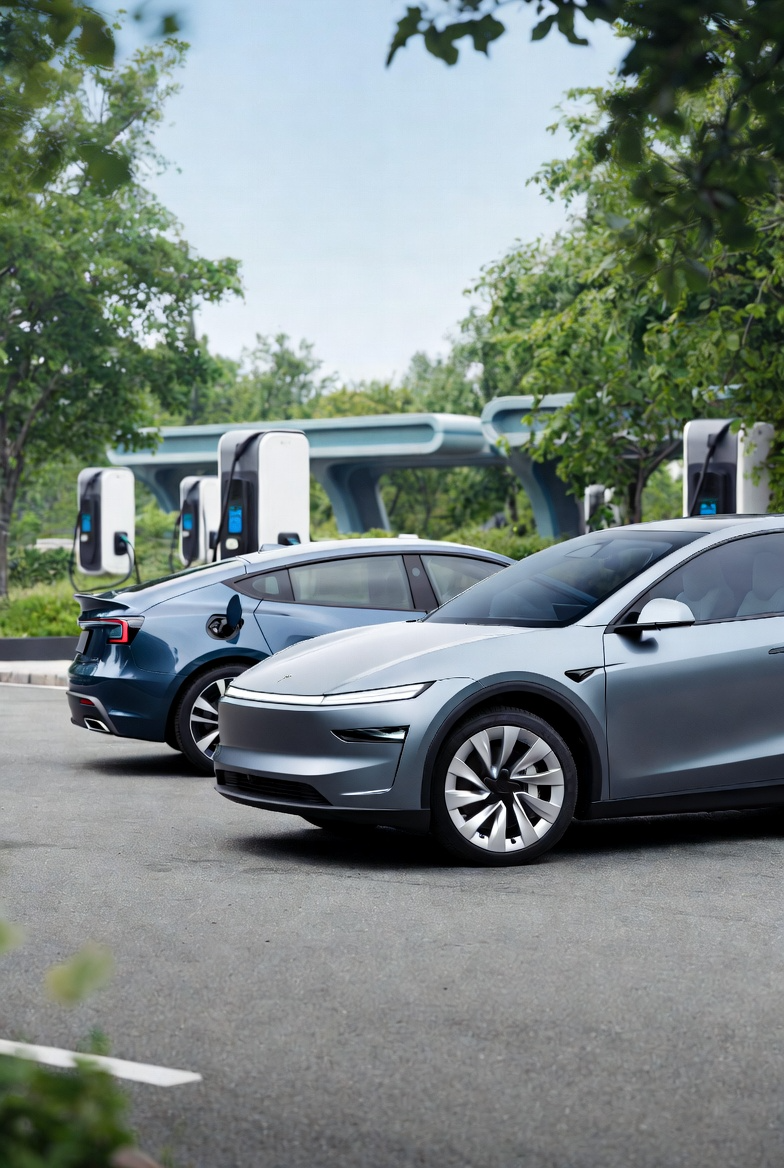
As January 2026 begins, the global electric vehicle market is entering a period of recalibration. After years of rapid expansion, growth in pure battery-electric vehicles (BEVs) has slowed noticeably in key markets, particularly the United States. Expiring federal tax credits, rising vehicle prices, charging infrastructure gaps, range anxiety, and new tariffs on imported components have all contributed to softer demand.
In response, automakers are shifting strategy. Instead of betting exclusively on fully electric vehicles, manufacturers are increasingly prioritizing affordable EVs and hybrid models, especially plug-in hybrids (PHEVs). These vehicles offer improved fuel efficiency without requiring drivers to fully commit to charging, while also keeping upfront costs lower than many BEVs.
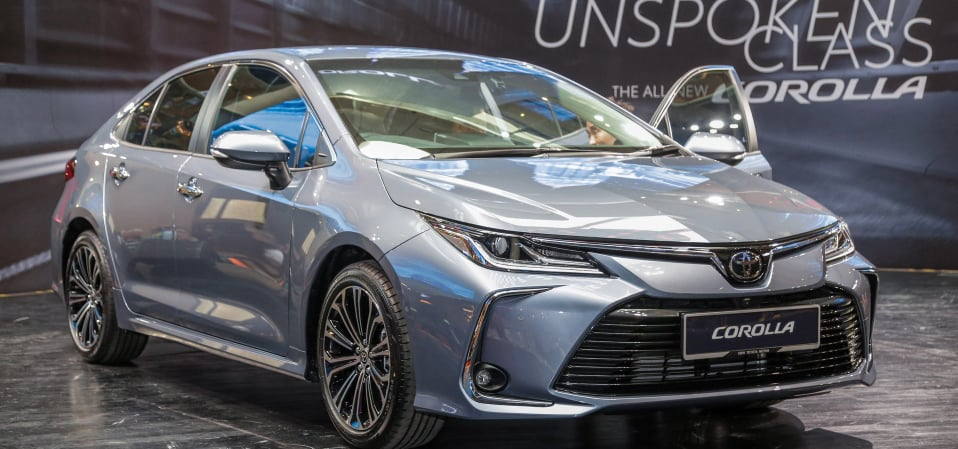
THE CORROLLA HYBRID IS A GREAT EXAMPLE
Why Automakers Are Changing Course
The slowdown in pure EV momentum is most pronounced in the US, where adoption is stalling at roughly 6% of planned vehicle purchases. Sales are expected to flatten or decline slightly amid policy uncertainty and economic pressure. Globally, EV growth continues—driven mainly by China and parts of Europe—but the US market is lagging behind.
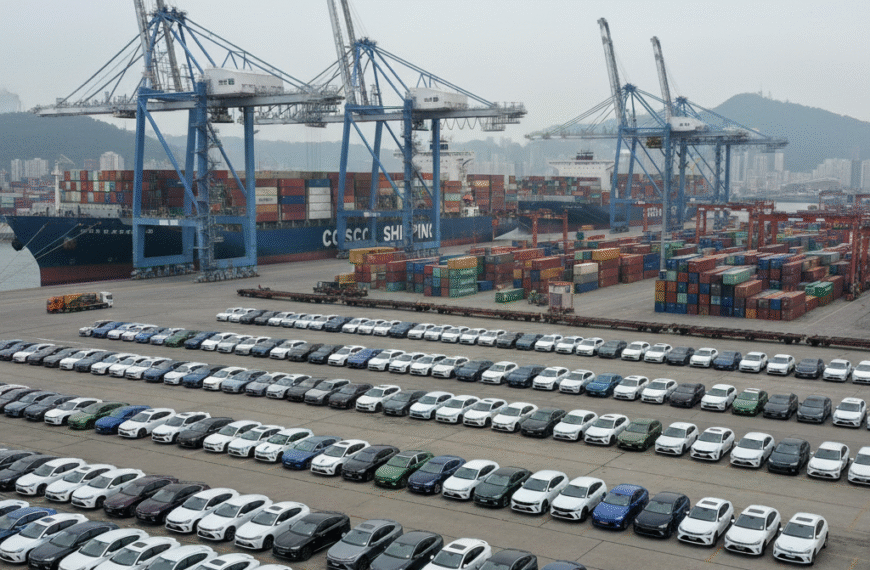
Tariffs are another major factor. New trade restrictions, particularly on Chinese-made components and vehicles, are pushing costs higher. With average new vehicle prices hovering around $47,000, automakers are under pressure to deliver models priced below $35,000. This has accelerated efforts to localize production and focus on cost-efficient platforms.
Consumer preference data also plays a role. Surveys consistently show strong interest in hybrids as a practical middle ground. Buyers value familiar refueling, reduced range anxiety, and tangible fuel savings. As a result, PHEV sales are projected to rise sharply in 2026, with some forecasts pointing to growth as high as 32%.
Major Automaker Strategy Shifts
Several major manufacturers have already made visible moves. Ford has redirected billions of dollars toward extended-range hybrids, smaller EVs, and efficient internal combustion trucks. The Maverick Hybrid continues to sell strongly, and the company is expanding its plug-in hybrid lineup.
General Motors is absorbing an estimated $6 billion charge related to EV retooling while refocusing on profitable trucks and SUVs. At the same time, GM plans to reintroduce the Chevrolet Bolt in 2026–2027, positioning it as an affordable BEV with an estimated starting price around $30,000 and a range exceeding 250 miles.
Meanwhile, Toyota, Honda, and Hyundai are benefiting from surging hybrid demand. Models like the Corolla Hybrid, priced under $25,000, continue to perform well, while Hyundai’s expanding hybrid lineup contributed to strong sales growth in 2025.
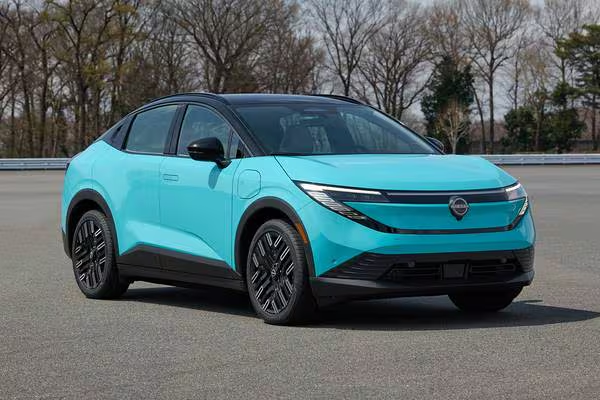
On the global stage, BYD dominates affordable EV production, although US tariffs limit its domestic impact. Nissan is also refreshing the Leaf, aiming to reestablish it as a budget-friendly electric option.
What Comes Next
The rise of hybrids does not signal a retreat from electrification. Instead, it reflects a more pragmatic approach. Automakers are adjusting capital allocation to meet real consumer demand rather than relying solely on policy-driven targets.
Advances in battery technology—including potential cost reductions from solid-state batteries later in 2026—could enable more affordable BEVs in the future. For now, however, 2026 is shaping up to be the year of the hybrid surge, bridging the gap between traditional vehicles and full electrification.
Whether this strategy accelerates long-term EV adoption or delays it remains an open question—but for automakers and consumers alike, hybrids appear to be the practical choice for the moment.